



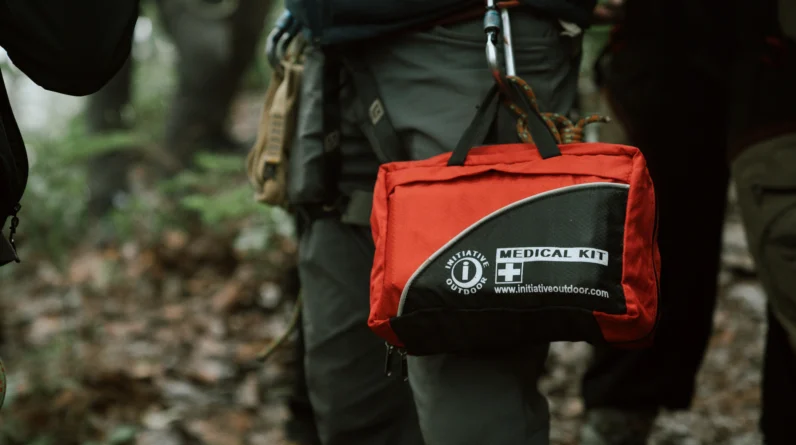
When it comes to survival kits, the short answer is this: they’re designed to help you handle unexpected emergencies. Whether it’s a natural disaster, a power outage, or getting stranded, having a well-stocked kit can make a significant difference in your safety and comfort until help arrives or the situation resolves. Think of it as your personal safety net, built with practical items to address immediate needs.
Understanding the “Why” Behind a Survival Kit
Before we dive into the nitty-gritty of what goes into a kit, it’s helpful to understand why they’re so important. We live in a world where disruptions can happen without much notice. From severe weather events like hurricanes, blizzards, and earthquakes to less dramatic but equally disruptive incidents like extended power outages or vehicle breakdowns in remote areas, being caught unprepared can escalate a minor inconvenience into a serious problem. A survival kit isn’t about being paranoid; it’s about being proactive and taking responsibility for your own well-being and that of your loved ones when external systems might falter.
The goal isn’t just to stay alive, but to maintain a degree of health, safety, and psychological resilience during a stressful time. This means having tools for communication, warmth, shelter, hydration, basic first aid, and even a little something for morale.
This section covers the absolute must-haves for any survival kit, regardless of the specific scenario. These are the items that address the most fundamental human needs when faced with an emergency.
Water and Hydration
Access to clean drinking water is paramount. You can survive longer without food than without water.
Stored Water Supply
- Bottled Water: Aim for at least one gallon per person per day for a minimum of three days. Consider having a two-week supply if space allows. Store in a cool, dark place and rotate it every six months to a year.
- Water Purification Tablets/Drops: These are lightweight and effective for treating suspect water sources. Ensure they have a long shelf life.
- Portable Water Filter: Options like Sawyer Mini or LifeStraw can filter out bacteria and protozoa from various water sources. These are excellent for longer-term situations or when stored water runs out.
Water Containers
- Collapsible Water Bottles/Bladders: Easy to store when empty and crucial for transporting purified water.
- Metal Container: A stainless steel bottle or pot can be used to boil water, providing another purification method.
Food Rations
While not as immediately critical as water, a steady supply of non-perishable food is essential for maintaining energy levels and morale.
Non-Perishable Food Items
- MREs (Meals Ready-to-Eat): These come with their own heating element and offer a balanced meal. They have a long shelf life.
- Energy Bars/Granola Bars: Compact, high-calorie, and don’t require cooking. Look for options with a good mix of protein and carbohydrates.
- Dried Fruits and Nuts: Provide quick energy and essential nutrients.
- Canned Goods: Tuna, chicken, beans, and vegetables are good options. Remember to pack a manual can opener.
- Peanut Butter: High in calories and protein, and has a long shelf life.
Cooking and Eating Utensils
- Manual Can Opener: Crucial if relying on canned goods.
- Basic Eating Utensils: Reusable plastic or metal spork.
- Small Cooking Pot/Pan: For heating water or simple meals, especially if you have a portable stove.
When preparing your survival kit, it’s essential to consider not only the supplies you need but also the skills that can enhance your chances of survival in the wild. One valuable resource is the article on improving your animal tracking skills, which can help you understand wildlife behavior and find food sources more effectively. To learn more about this important skill, check out the article here: Improve Your Animal Tracking Skills.
Shelter and Warmth: Staying Protected
Exposure to the elements can be life-threatening. Having the means to create shelter and stay warm is vital.
Emergency Shelter Options
Tarp or Poncho
- Heavy-Duty Tarp: Can be strung up to create a temporary shelter, collect rainwater, or protect gear. Choose one with grommets for easy setup.
- Emergency Poncho: Offers personal protection from rain and wind. Many are lightweight and compact.
Emergency Sleeping Bag or Blanket
- Mylar Space Blanket: Reflects body heat, providing immediate warmth. They are very compact and inexpensive. Keep a few.
- Wool Blanket: Offers good insulation even when wet, though bulkier than Mylar.
Fire Starting Tools
Fire provides warmth, light, a way to cook, and can be a psychological boost.
Multiple Fire Starters
- Waterproof Matches: Store in a waterproof container.
- Lighter: Many prefer Bic or similar disposable lighters due to their ease of use. Keep several.
- Ferro Rod and Striker: Reliable even when wet, and provides many ignitions. Practice using it beforehand.
Tinder and Kindling
- Cotton Balls soaked in Petroleum Jelly: Excellent, long-burning tinder.
- Fatwood: Naturally occurring resin-soaked wood that ignites easily.
- Dryer Lint: Can work well as tinder.
First Aid and Hygiene: Staying Healthy
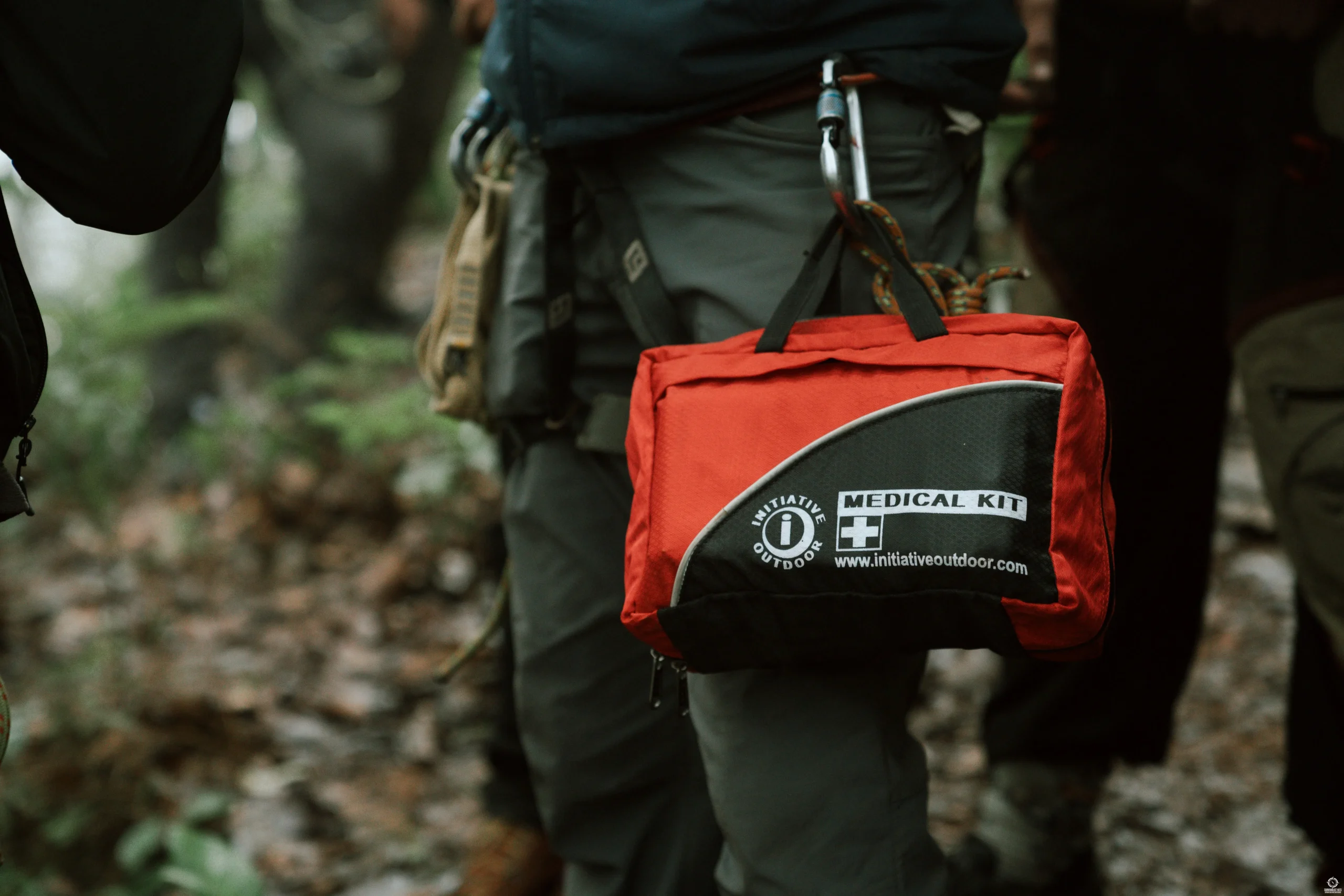
Injuries and illnesses can compound an emergency situation. A comprehensive first aid kit and basic hygiene supplies are non-negotiable.
Comprehensive First Aid Kit
This isn’t just for major injuries; it also covers minor cuts, scrapes, and headaches that can detract from your overall well-being.
Wound Care
- Assorted Bandages and Gauze Pads: For cuts, scrapes, and abrasions.
- Antiseptic Wipes/Solution: For cleaning wounds to prevent infection.
- Medical Tape: To secure dressings.
- Nitrile Gloves: To protect yourself and the injured person.
- Trauma Dressing/Blood Clotting Gauze: For more serious bleeding.
Pain Relief and Medications
- Over-the-Counter Pain Relievers: Ibuprofen or acetaminophen for aches, pains, and fever.
- Antihistamines: For allergies or insect bites.
- Personal Prescription Medications: Crucially, include at least a 7-day supply of any vital medications, rotated regularly to ensure they’re not expired.
- Anti-Diarrhea Medication: Diarrhea can lead to rapid dehydration.
Tools
- Tweezers: For splinters or tick removal.
- Small Scissors: For cutting tape or clothing.
- CPR Face Shield: For administer CPR safely.
Personal Hygiene Supplies
Maintaining basic hygiene helps prevent the spread of disease and improves morale.
Sanitation Essentials
- Hand Sanitizer: When soap and water aren’t available.
- Wet Wipes: For personal cleaning.
- Toilet Paper: Self-explanatory.
- Feminine Hygiene Products: Essential for women.
- Trash Bags: For waste disposal and can double as a poncho or ground cover.
- Soap: Biodegradable soap for washing hands or clothes.
Lighting, Communication, and Tools: Navigating and Responding
These items help you see in the dark, call for help, and perform a variety of tasks.
Lighting Solutions
Power outages are common during emergencies, making reliable light sources crucial.
Headlamps and Flashlights
- LED Headlamp: Hands-free illumination, highly recommended. Pack extra batteries.
- Durable Flashlight: A robust, water-resistant model with extra batteries.
Emergency Lighting
- Chemical Light Sticks: Provide several hours of light without batteries, good for signaling or ambient light.
- Solar-Powered Lantern/Charger: Can provide light and charge small devices if sunlight is available.
Communication Devices
Staying informed and being able to signal for help are critical.
NOAA Weather Radio
- Hand-Crank/Solar Powered Radio (with NOAA Weather Alert): Essential for receiving emergency broadcasts when traditional power and communication lines are down. Look for models that can also charge small devices.
Mobile Phone and Charger
- Fully Charged Power Bank: Or several, especially if your phone is your primary communication tool.
- Solar Charger: As a backup for power banks.
Signaling Tools
- Whistle: For signaling for help, more effective than shouting.
- Signal Mirror: Can attract attention over long distances in daylight.
Multi-Purpose Tools
These items can perform a variety of functions, reducing the need for many specialized tools.
Multi-Tool
- Leatherman or Similar: Essential for its pliers, knives, screwdrivers, and other functions.
Duct Tape
- Roll of Duct Tape: Incredibly versatile for repairs, temporary fixes, and even first aid.
Rope/Paracord
- 50-100 feet of Paracord: Strong, lightweight rope with numerous uses for shelter building, repairs, and securing items.
When preparing your survival kit, it’s essential to consider various skills that can enhance your self-sufficiency in the wild. One valuable resource is an article on how to build a wood stove using a drum barrel, which can provide you with a reliable cooking and heating source in emergency situations. You can read more about this practical skill in the article found here. Incorporating such knowledge into your survival strategy can make a significant difference in your ability to thrive when faced with unexpected challenges.
Customizing Your Kit and Staying Prepared
| Survival Kit | Price | Weight | Size |
|---|---|---|---|
| Basic Survival Kit | 50 | 1 lb | Small |
| Deluxe Survival Kit | 100 | 2 lbs | Medium |
| Ultimate Survival Kit | 200 | 5 lbs | Large |
A “one-size-fits-all” kit is a good starting point, but personalization is key. Your specific needs, location, and potential threats should influence your final contents.
Assessing Your Specific Needs
Consider where you live and who you live with.
Geographic Considerations
- Earthquake Prone Area: Extra water, sturdy shoes, dust masks.
- Hurricane or Flood Zone: Waterproof containers, inflatable raft/floatation device.
- Cold Climate: Extra layers of warm clothing, heavier sleeping bag, hand warmers.
- Wildfire Risk: Respirator masks, plenty of water, potentially a shovel.
Family and Pet Needs
- Infants/Young Children: Diapers, formula, baby food, comfort items, medication.
- Elderly/Individuals with Disabilities: Specific medications, assistive devices, comfortable change of clothes.
- Pets: Food, water, leash, carrier, medication, vaccination records.
Regular Maintenance and Rotation
A kit is only useful if its contents are up-to-date and functional.
Inspect and Replenish
- Expiration Dates: Check food, water, and medication expiration dates every 6-12 months and replace as needed.
- Batteries: Replace batteries in flashlights and radios annually, regardless of use. Consider storing them outside the devices to prevent corrosion.
- Clothing: Rotate clothing to match the season; ensure clothes are clean and dry.
Practice and Familiarization
- Use Your Gear: Periodically practice using items like your water filter or fire starter. This helps you become proficient and identifies any issues.
- Inventory Check: Make a detailed list of your kit’s contents and check it periodically to ensure nothing is missing.
Types of Kits for Different Scenarios
While the core items remain similar, the container and some specific additions might change based on the kit’s purpose.
Go-Bag / Bug-Out Bag (72-Hour Kit)
- Purpose: To sustain you for 72 hours if you need to evacuate quickly.
- Container: A durable backpack that’s easy to carry.
- Contents: Focus on essentials: water, food, first aid, shelter, communication, and important documents.
Stay-at-Home Kit / Emergency Supply
- Purpose: For prolonged confinement at home due to power outages or other disruptions.
- Container: Large bins or storage containers, kept in an easily accessible location like a basement or garage.
- Contents: Can include larger quantities of water and food (up to 2 weeks or more), more comfort items, a portable generator, extra fuel, and tools for home repairs.
Vehicle Kit
- Purpose: To handle breakdowns or getting stranded while traveling.
- Container: Small duffel bag or plastic bin kept in the trunk.
- Contents: Jump starter, basic tools, blanket, non-perishable food, water, first aid kit, flashlight, flares/reflectors, warm clothes.
Everyday Carry (EDC) Kit
- Purpose: Small, essential items carried daily for minor, unexpected situations.
- Container: Pockets, small pouch, or purse.
- Contents: Small flashlight, multi-tool, small first aid kit, cash, personal medication, whistle.
In conclusion, assembling a survival kit isn’t about fostering fear, but about fostering resilience. It’s a tangible way to mitigate stress and increase your odds of a positive outcome when unexpected events unfold. By thoughtfully preparing and regularly maintaining these essential tools, you’re not just buying items; you’re investing in peace of mind and the well-being of yourself and those you care about.

Bart Humes, our editor, is a seasoned camping and survival enthusiast from Colorado. With expert knowledge in orienteering, fire-starting, and wilderness first aid, Bart’s passion and skills make him a master of the great outdoors.