


So, you’re wondering what kind of gear you actually need for survival. Forget those flashy, expensive gadgets you see in movies. Real survival kit boils down to practical items that help you address fundamental needs: shelter, water, food, first aid, and security. What works for one person might be different for another, depending on their location and specific risks, but there are definitely core categories that everyone should consider. This guide will walk you through the essentials, focusing on practicality over novelty.
Shelter: More Than Just a Roof Over Your Head
When we talk about shelter in a survival context, we’re not necessarily planning for an extended stay in a comfortable home, but rather protection from the elements to prevent hypothermia or hyperthermia. This is crucial for maintaining your core body temperature and overall health, especially in an unexpected emergency.
Basic Tarp or Heavy-Duty Poncho
Honestly, a simple tarp is one of the most versatile and underrated pieces of survival gear. It’s lightweight, foldable, and can be configured into a lean-to, a ground cover, or even a basic A-frame shelter. Look for one made of ripstop nylon or heavy-duty polyethylene, ideally with grommets for easy tie-downs. A heavy-duty poncho serves a similar dual purpose – it keeps you dry and can be used as a makeshift shelter. Don’t cheap out here; a flimsy one will tear when you need it most.
Sleeping Bag or Emergency Bivy
Even in moderate temperatures, nights can get surprisingly cold. A sleeping bag, rated for the lowest expected temperatures in your region, is a must-have. If space or weight is a primary concern, an emergency bivy sack made of reflective, waterproof material (like those Mylar ones, but a bit tougher) can offer surprising warmth and protection from wind and rain. These aren’t luxurious, but they can be life-savers.
Cordage (Paracord)
You’re going to need something to tie down that tarp, secure your gear, or even make a rudimentary snare. Paracord (550 cord) is fantastic because it’s surprisingly strong for its weight and can also be disassembled into individual strands for lashing, fishing line, or sewing. A good 50-100 feet would be a reasonable starting point.
Duct Tape
Like paracord, duct tape is a universal problem solver. From patching holes in your shelter or clothing to improvising medical splints, its uses are almost endless. A small roll takes up minimal space and should always be in your kit.
If you’re interested in enhancing your outdoor experience with the right prepper gear, you might find this article on exploring Traverse City campgrounds particularly useful. It not only highlights the best camping spots but also discusses essential gear that can make your outdoor adventures safer and more enjoyable. For more information, check out the article here: Explore Traverse City Campgrounds: Your Ultimate Outdoor Getaway.
Water: The Ultimate Priority
You can survive weeks without food, but only a few days without water. Access to clean drinking water is paramount, and you can’t rely on finding pristine springs everywhere.
Water Filter or Purifier
This is non-negotiable. A good quality water filter (like a Sawyer Mini or Lifestraw) can remove bacteria and protozoa, making most surface water drinkable. For viruses, you’ll need a purifier or purification tablets. Know the difference and consider your specific risks. A filter is generally lighter and quicker for daily use, while purification tablets are a good backup for viral threats or when your filter might fail.
Water Bottles or Collapsible Water Carriers
You need a way to collect and store water. Durable stainless steel bottles are great because you can boil water in them directly over a fire. Collapsible water carriers are excellent for transporting larger quantities from a source to your shelter. Aim for at least 2-3 liters of carrying capacity per person.
Water Purification Tablets
These are a compact and lightweight backup to a filter. They’re particularly useful for treating water in situations where boiling isn’t feasible or for dealing with potential viral contamination that some filters don’t address. Make sure to check the expiration dates and rotate them.
Knowledge of Local Water Sources
This isn’t gear, but it’s crucial. Do you know where reliable water sources are in your area? Springs, rivers, even roof run-off (with filtration) can be viable options. Researching this ahead of time can save you precious energy and time in an emergency.
Food: Sustenance and Energy
While not as immediate a need as water, having a reliable food source is vital for maintaining energy, morale, and cognitive function over time. We’re not talking gourmet meals, but calorie-dense and non-perishable options.
High-Calorie, Non-Perishable Food
Think beyond canned goods if space and weight are concerns. MREs (Meals Ready to Eat) are designed for this purpose, offering balanced nutrition and a long shelf life. Emergency food bars or specially prepared survival meals are also excellent choices. Look for high-calorie, long-shelf-life options like dried fruits, nuts, jerky, and energy bars. Rotate your stock every few years to ensure freshness.
Basic Cooking and Eating Utensils
A small pot or metal cup can be used for boiling water, cooking simple meals, or even collecting water. A spork or a sturdy knife can serve multiple purposes for eating. Keep it minimal and functional.
Fire Starting Tools
This isn’t just for warmth; it’s essential for cooking and boiling water. Multiple ways to start a fire are crucial:
- Ferro Rod with Striker: Reliable in all weather conditions, very durable.
- Waterproof Matches: Easy to use, but can run out quickly.
- Lighter: Simple and effective, but fuel can run low.
- Tinder: Cotton balls soaked in petroleum jelly, dryer lint, or commercial fire starters. Don’t underestimate the difficulty of finding dry tinder in a real emergency.
Fishing Kit / Snare Wire
For a long-term situation, being able to procure food is key. A small fishing kit with line, hooks, and sinkers can provide protein. Heavy-gauge snare wire can be used to set up small traps for game. These require skill to use effectively, so practice ahead of time.
First Aid and Hygiene: Staying Healthy
Injuries and illnesses are amplified in a survival situation. A well-stocked first aid kit and basic hygiene supplies are critical for preventing infection and maintaining health.
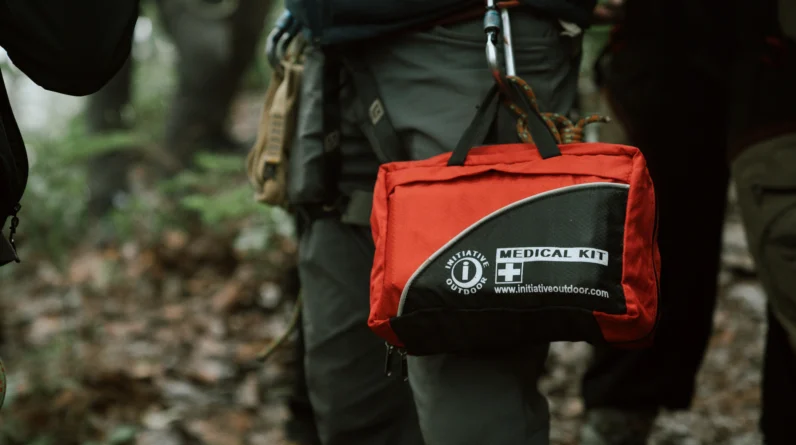
Comprehensive First Aid Kit
This should go beyond the band-aid box. Include:
- Wound Care: Antiseptic wipes, gauze pads, sterile dressings, medical tape, butterfly closures, super glue (for minor cuts), burn gel.
- Pain Relief & Medications: Ibuprofen, acetaminophen, any personal prescription medications (with enough supply for several days/weeks).
- Allergy Relief: Antihistamines.
- Tools: Tweezers, small scissors, safety pins.
- Gloves: Non-latex gloves for hygiene.
- Instruction Guide: Even if you have basic first aid knowledge, a small guide can be helpful for referencing.
Personal Hygiene Items
Maintaining basic hygiene can prevent infections and boost morale.
- Hand Sanitizer: When water isn’t readily available for washing.
- Soap: Biodegradable soap if possible.
- Toothbrush & Toothpaste: Essential for dental hygiene.
- Wet Wipes: For cleaning hands and body.
- Feminine Hygiene Products: If applicable, pack enough for at least a couple of weeks. These also have many off-label survival uses (fire tinder, wound packing).
Sun Protection
Sunburns can be debilitating. Sunscreen, a wide-brimmed hat, and sunglasses are important for protecting your skin and eyes, especially if you’re exposed for extended periods.
Insect Repellent
Mosquitoes and other biting insects aren’t just annoying; they can transmit diseases. A good insect repellent (with DEET or a suitable alternative) is crucial.
When considering essential prepper gear, one item that often gets overlooked is a reliable tent, which can be crucial for both camping and emergency situations. A recent article highlights the benefits of the UNP 2-Person Dome Camping Tent, showcasing its durability and ease of setup, making it a great choice for outdoor enthusiasts. For those interested in enhancing their survival kits, this review offers valuable insights into how this tent can serve as a game changer in various scenarios. You can read more about it in the article here.
Security and Navigation: Awareness and Direction
Beyond just protecting yourself from other people, security in a survival context also means being aware of your surroundings and having the means to find your way.
Multi-Tool or Fixed Blade Knife
A sturdy knife is arguably the most important survival tool after a water filter. It’s used for everything from preparing food, cutting cordage, opening packages, to building shelter. A full-tang fixed-blade knife is generally more durable than a folding knife for strenuous tasks. A good quality multi-tool complements this well, offering pliers, screwdrivers, and other useful implements.
Headlamp or Flashlight with Spare Batteries
Navigating or working in the dark without light is incredibly difficult and dangerous. A headlamp allows hands-free operation. Always carry spare batteries and ideally choose a unit that uses common battery types (AA/AAA). A crank-powered or solar-powered option can be a good backup.
Map and Compass (and how to use them)
GPS devices are great until the batteries die or signals fail. A physical map of your area and a reliable compass are indispensable. More importantly, you need to know how to use them. This isn’t something you can learn on the fly during an emergency. Practice beforehand.
Whistle
A loud whistle is excellent for signaling for help, scaring off animals, or communicating with others over distance, especially if vision is obscured. It requires less effort than shouting.
Self-Defense Item (as appropriate and legal)
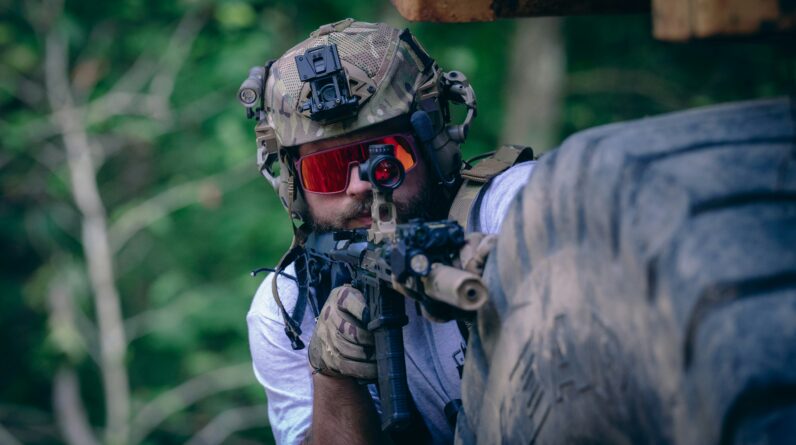
This is a personal decision based on your comfort level, local laws, and perceived threats. This could range from pepper spray or a personal alarm to a firearm. The key is knowing how to use it safely and effectively, and understanding the legal implications. Don’t carry anything you haven’t thoroughly trained with.
Communication Device (Power Bank, Hand-Crank Radio)
While cell service might be down, a fully charged power bank can extend the life of your phone for vital communication attempts. A hand-crank or solar-powered emergency radio can provide crucial weather alerts and news updates when other communication methods fail. Some even have charging capabilities for small devices.
Knowledge and Skills: The Ultimate Gear
All the fancy gear in the world won’t save you if you don’t know how to use it or how to think your way out of a problem. This isn’t a physical item, but it’s often considered the most important “gear” you can have.
Basic First Aid Training
Knowing how to treat common injuries (cuts, sprains, burns, shock) can literally save lives. Consider taking a CPR and basic first aid course.
Fire Starting Skills
Can you start a fire without matches or a lighter if needed? Practice with a ferro rod, friction fire, or other primitive methods.
Navigation Skills
Beyond just reading a map, can you navigate by relying on natural cues like the sun, stars, or natural landmarks?
Shelter Building Skills
Know how to construct a basic, protective shelter using natural materials or your tarp.
Water Procurement Skills
Understand how to find, collect, and purify water from various sources.
Plant Identification
Knowing which plants are edible and which are poisonous in your local area can be a game-changer for long-term food procurement.
Mental Fortitude
Resilience, problem-solving, and the ability to stay calm under pressure are invaluable. No piece of gear can replace a strong mindset. Practice scenarios, read survival literature, and challenge yourself.
Ultimately, building a survival kit is a process of thoughtful consideration and preparation, not just buying a bunch of stuff. Start with the basics, prioritize function over frills, and remember that your knowledge and skills are your most important assets. Review your kit regularly, adapt it to your specific environment and potential threats, and practice using the items in it. Your goal is not to be a doomsday prepper, but a prepared individual who can confidently address unexpected challenges.