


We often seek respite from the daily grind, a chance to reconnect with nature without venturing too far off the beaten path. For us, Michigan’s State Park campgrounds offer a practical and accessible solution. These parks provide a variety of outdoor experiences, from waterfront sites to more secluded, wooded locales, all within a well-maintained system.
Our approach to planning a camping trip in Michigan’s State Parks typically begins with a clear understanding of the reservation process and any relevant seasonal considerations.
Understanding the Reservation System
The primary method for securing a spot in a Michigan State Park campground is through MiDNRReservations.com. We have found this online portal to be generally straightforward for booking campgrounds, cabins, and even slips for those with recreational vessels. The critical detail here is the booking window: we can reserve our desired dates up to six months in advance. This lead time is crucial, especially for popular parks or during peak season, as sites often fill quickly. While many state forest sites operate on a first-come, first-served basis, we generally prefer the predictability that comes with a confirmed reservation, especially for weekend trips or longer stays.
Navigating Rate Adjustments and Passport Requirements
We’ve observed a gradual but consistent adjustment in camping fees over the years. The most recent increase, implemented in 2025, reflects the ongoing need to maintain and improve park infrastructure. Similarly, the Recreation Passport, which is essential for vehicle entry into Michigan State Parks, saw a $1 increase in 2026, bringing the annual pass to $15 per vehicle for residents. For those traveling by motorcycle, the cost is $7, and non-residents will pay $42 for their annual pass. We consider these fees a necessary investment in the continued preservation and accessibility of these natural spaces. It’s a small price for the facilities and experiences provided.
Considering Construction and Seasonal Impacts
When planning our trips, we always check for any potential construction or maintenance projects that might affect our chosen destination. For instance, we’re aware that the Pontiac Lake State Recreation Area’s East/West Loops and Equestrian Camp are slated for construction in 2026. This means that for 2025, reservable dates for these specific areas will be limited, only opening from September 1st to October 31st. Such impacts necessitate flexibility and advance research.
Furthermore, operating seasons vary significantly between parks and even within different sections of the same park. For example, Van Buren Campground typically operates from April 22nd to October 21st, while a rustic group camp in the same vicinity might have a slightly different window. Clear Lake Rustic Group Camp, for instance, opens earlier, from April 1st to October 31st. We always cross-reference these dates with our planned itinerary to avoid any surprises.
If you’re looking to enhance your camping experience in Michigan state park campgrounds, you might find valuable insights in a related article that discusses essential bushcraft skills. This article covers various topics, including how to build a camp log cabin and prepare cowboy tea, which can be perfect for your outdoor adventures. You can read more about these skills and tips for a successful camping trip by visiting this link: Bushcraft Camp Log Cabin and Cowboy Tea.
Diverse Camping Experiences Across Michigan
Michigan’s State Parks offer a spectrum of camping experiences, from modern campgrounds with full hookups to more rustic, secluded sites. We appreciate this variety, as it allows us to tailor our trips to our preferences and the type of outdoor immersion we’re seeking.
Modern Campgrounds: Comfort and Convenience
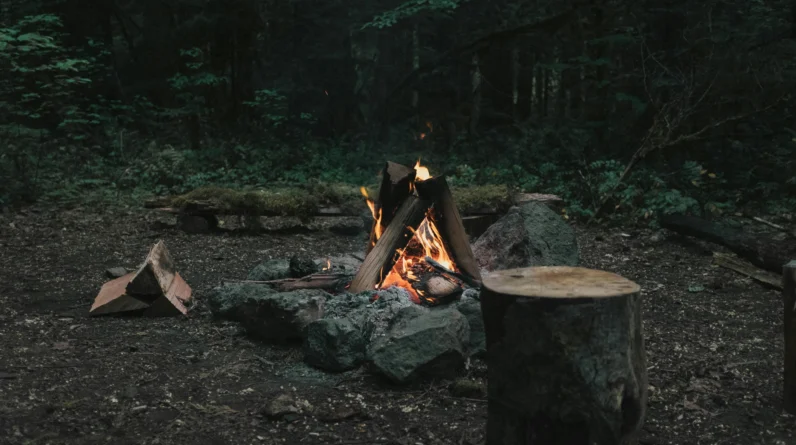
For trips where we prioritize comfort and convenience, such as family outings or when we anticipate less-than-ideal weather, we often opt for modern campgrounds. These sites typically feature paved pads, electrical hookups, and sometimes water and sewer connections. They also provide access to flush toilets and showers, which can be a significant comfort after a day of hiking or exploring. These campgrounds are usually well-maintained, with designated fire rings and picnic tables at each site. The presence of campground hosts in many parks also provides a point of contact for assistance or information.
Rustic Camping: Embracing Simplicity
When we’re looking to disconnect a bit more and embrace a simpler camping experience, we turn to the rustic campgrounds. These sites often lack electrical hookups and may have vault toilets instead of flush facilities. Water may be available via hand pumps. We find these areas offer a greater sense of solitude and a more immersive natural experience. While they require more self-sufficiency, they often place us closer to hiking trails, fishing spots, or other natural attractions that might be less accessible from the more developed loops.
Group Camps and Unique Lodging Options
For larger gatherings or when traveling with multiple families, the availability of group camps is invaluable. These sites are designed to accommodate a greater number of people and often offer shared amenities like larger fire rings or more extensive picnic areas. Beyond traditional campgrounds, some parks also offer cabins, yurts, or even lodges, providing alternative lodging options for those who prefer a solid roof over their heads but still want to be within the park environment. We’ve found these particularly useful for shoulder-season trips when the weather can be unpredictable.
Essential Amenities and Park Features
Beyond the basic campsites, Michigan State Parks offer a range of amenities and features designed to enhance our outdoor experience. We’ve come to expect a certain level of service and convenience, regardless of the park we choose.
Accessibility and Inclusivity
We’ve observed a concerted effort to make many Michigan State Parks more accessible to individuals with varying abilities. This includes accessible restrooms, showers, and in some cases, paved paths and ramps leading to observation decks or fishing piers. Pet-friendly sites are also widely available, allowing us to bring our four-legged companions along, though we always ensure we adhere to the specific guidelines regarding leash laws and waste disposal. These considerations contribute to a more inclusive environment, allowing a broader range of visitors to enjoy Michigan’s natural beauty.
Recycling and Environmental Responsibility
Environmental stewardship is a focus within the park system. We’ve consistently found recycling bins available at various locations within campgrounds, encouraging visitors to properly dispose of their waste. This commitment to sustainability aligns with our own values as campers, and we appreciate the infrastructure in place to facilitate responsible waste management. It’s a reminder that we all play a role in preserving these natural spaces for future generations.
Additional Conveniences and Services
Beyond the fundamental amenities, some parks offer additional conveniences. Camper storage, for instance, can be a useful option for those who frequent specific parks or for seasonal campers. Park gift cards provide a flexible way to support the parks or to give the gift of outdoor experiences to others. We’ve also noted opportunities for individuals to serve as campground hosts, a program that allows dedicated volunteers to assist fellow campers while enjoying extended stays in the parks. These smaller details collectively contribute to a more positive and well-rounded camping experience.
Activities and Recreation in the Parks
Our visits to Michigan State Parks are rarely just about camping; they’re about engaging with the natural world through a variety of recreational activities. Each park offers unique opportunities, but a common thread of outdoor adventure ties them all together.
Hiking and Nature Exploration
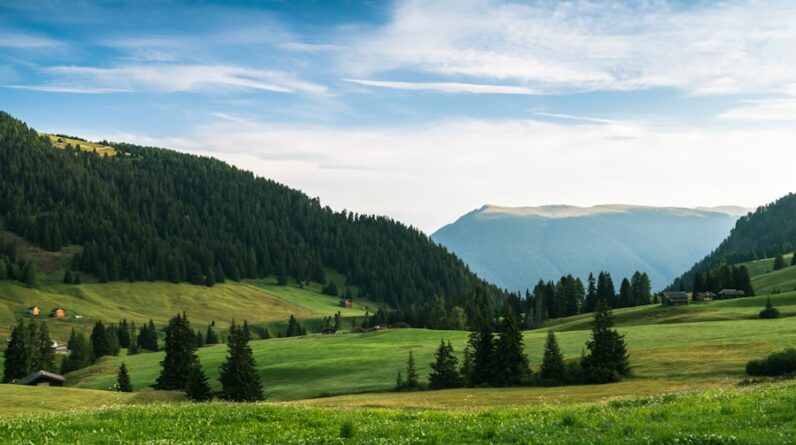
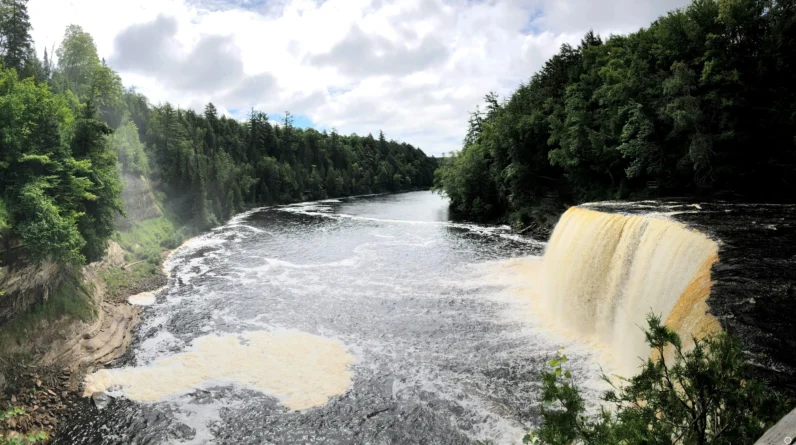
Hiking is a cornerstone of our park visits. Michigan’s State Parks boast an extensive network of trails, catering to all skill levels. From gentle strolls through wooded areas to more challenging climbs with scenic overlooks, there’s always a path to explore. We particularly enjoy the interpretive trails that provide information about local flora, fauna, and geological features, deepening our understanding of the environment. The changing seasons bring different beauty: wildflowers in spring, vibrant foliage in autumn, and snow-covered landscapes in winter for those who enjoy cold-weather activities.
Water-Based Recreation
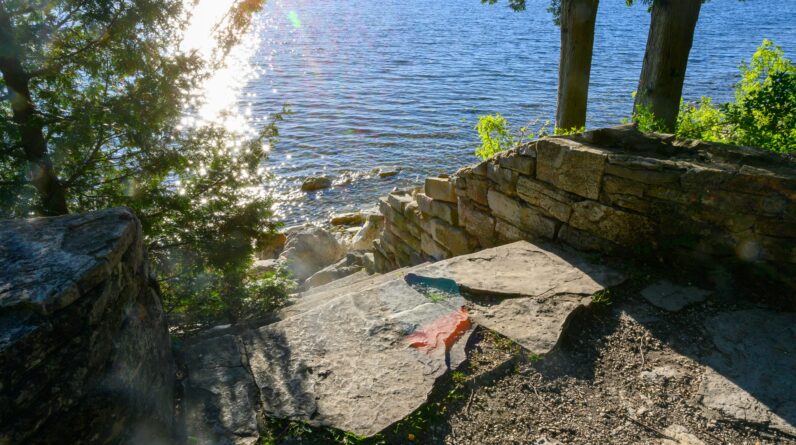
With Michigan’s abundant lakes and rivers, water-based recreation is a significant draw. Many parks offer direct access to lakes for swimming, kayaking, canoeing, and boating. Fishing is a popular pastime, with opportunities to catch various species depending on the body of water. Some parks also provide boat launches, and we’ve observed that many campgrounds are located within easy reach of these facilities. Whether it’s a peaceful paddle at dawn or a refreshing swim on a hot summer day, the water offers a refreshing escape.
Wildlife Viewing and Photography
The diverse ecosystems within Michigan State Parks support a wide array of wildlife. We often bring our binoculars and cameras, hoping to catch glimpses of deer, various bird species, and smaller mammals. Patience is key, but the rewards of observing animals in their natural habitats are significant. The early morning and late evening hours often prove most fruitful for wildlife viewing, and we frequently plan our hikes around these times. Ethical wildlife photography, maintaining a respectful distance, is always our practice.
If you’re planning a trip to Michigan’s beautiful state park campgrounds, you might find it helpful to learn some essential outdoor skills to enhance your experience. For instance, knowing how to create a fire using natural materials can be invaluable during your camping adventures. You can explore this skill further in a related article that discusses the technique of making a bamboo fire saw, which can be a fun and practical method for starting a fire in the wild. Check out the article here to discover more about this useful skill and make your camping trip even more enjoyable.
Responsible Camping Practices
| Campground Name | Location | Number of Sites | Amenities |
|---|---|---|---|
| Belle Isle Park | Detroit | 150 | Electricity, Restrooms, Showers |
| Holland State Park | Holland | 309 | Beach Access, Picnic Area, Playground |
| Sleepy Hollow State Park | Laingsburg | 181 | Boat Launch, Fishing, Hiking Trails |
Our enjoyment of Michigan’s State Parks is intrinsically linked to our commitment to responsible camping practices. We believe that by adhering to established guidelines and adopting a mindful approach, we contribute to the preservation of these natural spaces for everyone.
Leave No Trace Principles
The “Leave No Trace” principles form the foundation of our camping ethics. This means packing out everything we pack in, including all trash and food waste. We stick to designated trails, avoid disturbing wildlife, and leave natural objects as we find them. Minimizing our campfire impact is also crucial; we use established fire rings, ensure fires are completely extinguished before leaving, and avoid collecting live wood. These practices are not merely suggestions but contribute directly to the health and sustainability of the park ecosystems.
Respecting Fellow Campers and Park Rules
Part of being a responsible camper involves being considerate of others. This includes maintaining reasonable noise levels, especially during quiet hours, and respecting the privacy of neighboring campsites. We always keep our pets leashed and clean up after them, as per park regulations. Understanding and complying with all park rules, whether it’s regarding firewood transport to prevent the spread of invasive species or adhering to vehicle speed limits, is essential. These rules are in place for the safety and enjoyment of all visitors and for the protection of the park environment.
Supporting Park Conservation Efforts
Beyond direct actions, we also support the Michigan State Parks system through our purchase of the Recreation Passport and by considering any opportunities to volunteer or donate. The revenue generated from camping fees and the passport directly contributes to park maintenance, improvements, and conservation initiatives. By being active participants in the system, we help ensure that these precious natural resources remain accessible and vibrant for generations to come. The collective effort of campers plays a significant role in the ongoing success and ecological health of Michigan’s State Park campgrounds.
FAQs
What are the amenities available at Michigan state park campgrounds?
Michigan state park campgrounds offer a range of amenities including picnic tables, fire pits, restrooms, showers, and playgrounds. Some campgrounds also have electrical hookups and dump stations for RVs.
How can I make a reservation at a Michigan state park campground?
Reservations for Michigan state park campgrounds can be made online through the Michigan Department of Natural Resources website or by calling the reservation center. Reservations can be made up to six months in advance.
What activities are available at Michigan state park campgrounds?
Michigan state park campgrounds offer a variety of outdoor activities including hiking, fishing, swimming, boating, and wildlife viewing. Many campgrounds also have designated areas for activities such as volleyball, basketball, and horseshoes.
Are pets allowed at Michigan state park campgrounds?
Pets are allowed at Michigan state park campgrounds, but they must be kept on a leash no longer than six feet and under control at all times. Pet owners are responsible for cleaning up after their pets.
What are the rules and regulations for camping at Michigan state park campgrounds?
Campers are required to follow all rules and regulations set forth by the Michigan Department of Natural Resources. This includes adhering to quiet hours, respecting wildlife and natural resources, and properly disposing of waste. Alcohol is permitted in designated areas only.