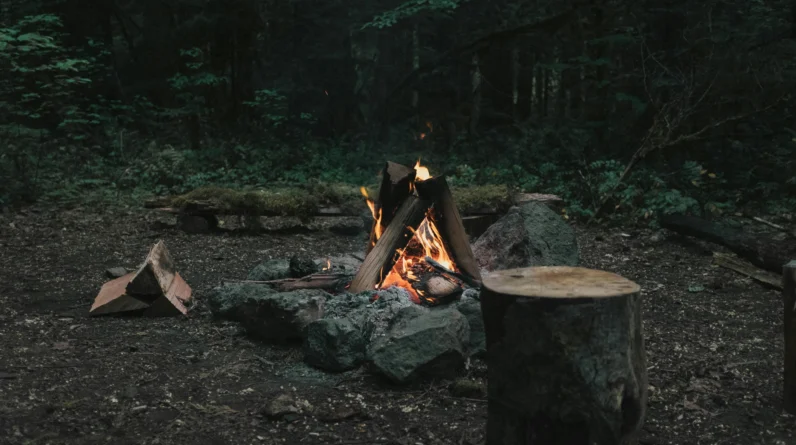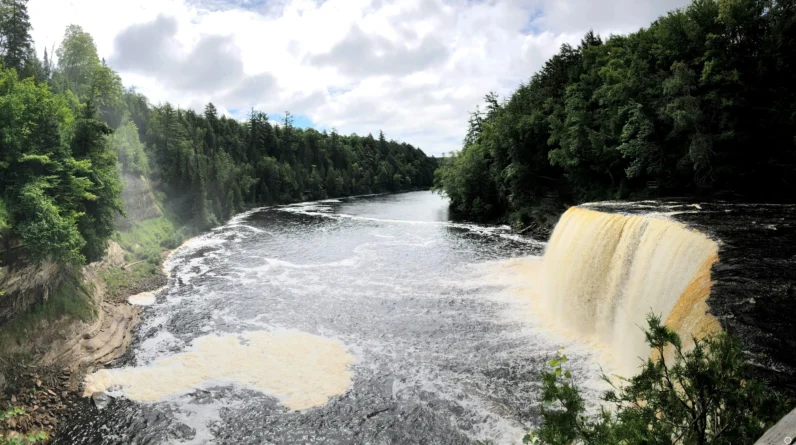




Exploring Michigan’s Upper Peninsula offers a distinct experience for those seeking engagement with natural environments. Our focus here is on the practicalities and considerations of camping within this region, recognizing its unique characteristics and recent developments impacting outdoor recreation.
Before we set out, a thorough understanding of what to expect and what to bring is essential for a productive camping trip in the Upper Peninsula. Its weather can be unpredictable, even in summer, and services can be spaced out.
Gear Essentials and Packing Strategies
We consistently emphasize the importance of appropriate gear. This includes robust tents designed to withstand varied weather conditions, sleeping bags rated for colder temperatures even in warmer months, and reliable rain protection. Our packing strategy always involves layers of clothing, durable hiking boots, and comprehensive first-aid kits. We also consider the self-sufficiency required in more remote areas, often packing water filtration systems or sufficient water supplies, as well as non-perishable food items. Navigation tools, whether traditional compass and map or reliable GPS devices, are also standard items in our packs.
Understanding UP Weather Patterns
The Upper Peninsula’s climate dictates much of our preparation. While summer months offer the mildest conditions, sudden temperature drops, significant rainfall, and even early or late-season snow flurries are not uncommon. We routinely check localized forecasts closer to our travel dates, recognizing that weather in one part of the peninsula may differ considerably from another. This adaptable approach helps us avoid uncomfortable or potentially hazardous situations.
Leave No Trace Principles in Practice
Our commitment to Leave No Trace principles is non-negotiable. This means packing out everything we pack in, properly disposing of waste, minimizing our impact on vegetation and wildlife, and respecting fellow campers. We educated ourselves on specific regulations for campfires, food storage to deter wildlife, and appropriate sanitation practices in different camping environments, from developed campgrounds to backcountry sites. The preservation of these natural spaces for future use is a shared responsibility we take seriously.
If you’re planning a camping trip in Michigan’s Upper Peninsula, it’s essential to make the most of your outdoor experience, including fishing opportunities. A great resource for anglers is the article on how to catch catfish in a river, which provides valuable tips and techniques for successful bank fishing. You can read more about it here: How to Catch Catfish in a River. This guide will help you enhance your fishing skills while enjoying the beautiful natural surroundings of the Upper Peninsula.
Deep Dive into UP Campground Options
The Upper Peninsula presents a spectrum of camping options, from established state parks to more rustic national forest sites. Each offers a different level of amenities and a distinct atmosphere.
State Parks and Recreation Areas
Michigan’s state parks in the UP, such as those along Lake Superior or inland, often provide well-maintained campsites with amenities like picnic tables, fire rings, and access to potable water. Some offer electrical hookups and shower facilities, catering to those who prefer more comfort. Reservations are strongly recommended, especially during peak season, as these sites can fill quickly. We find that these parks generally offer good access to popular hiking trails, scenic overlooks, and interpretive programs.
National Forest Camping: Rustic and Remote
Within the vast expanses of the Ottawa National Forest and Hiawatha National Forest, we find a different kind of camping experience. These national forest campgrounds tend to be more rustic, often lacking modern conveniences like flush toilets or electricity. Water sources may be limited to hand pumps or require filtration. This environment appeals to us when seeking a greater sense of solitude and immersion in nature. Opportunities for dispersed camping, where allowed, also exist for those with the experience and equipment for self-sufficient wilderness travel.
Emerging Glamping Experiences: A Different Approach
While not always directly within the Upper Peninsula, the growing trend of glamping, exemplified by expansions like The Fields of Michigan (located near the UP in South Haven), offers an alternative for those seeking luxury in a natural setting. We observe that such ventures are providing upscale tents with king beds, air conditioning, and private baths, moving beyond traditional camping. While this offers a refined experience, it is distinct from the more rugged and self-reliant camping we typically pursue within the UP’s wilderness. We note these options as part of a broader landscape of outdoor accommodation, acknowledging their appeal to different visitor segments.
Navigating Specific UP Camping Destinations
Understanding the unique characteristics of particular locations helps us tailor our camping plans. Some areas are undergoing significant improvements, while others remain largely untouched.
Marquette Area Upgrades: Kona Hills and Beyond
Marquette, a strategic hub in the central UP, serves as a gateway to several outdoor opportunities. We are monitoring developments at Kona Hills Campground, noting the planned installation of permanent vault restrooms by 2026, a substantial upgrade for visitor comfort. The addition of a new 1.5-mile connector trail for mountain biking expands recreational access, aligning with our interest in combining camping with active pursuits. Future plans for an ice park and the utilization of an aquifer water source also indicate a continued investment in enhancing this area as an outdoor destination.
Ottawa National Forest: Conservation and Access
Our visits to the Ottawa National Forest, particularly its western reaches, involve a careful assessment of ongoing activities. We are aware of projects like Silver Branch, which proposes campground and lake access improvements. Concurrently, logging operations are planned or underway in specific areas, prompting our consideration of their potential environmental impact and the overall wilderness experience. The temporary closure of the Lake Ottawa Pavilion for 2026 rehabilitation is also noted, though the campground itself is expected to remain open. We also welcome the planned safety and accessibility upgrades in the Black River area, which should enhance visitor experience and inclusivity. Our approach here is to understand the various pressures and management strategies at play in this important national forest.
Porcupine Mountains Wilderness State Park: Rugged Beauty
The Porcupine Mountains Wilderness State Park, known affectionately as “the Porkies,” consistently draws us back with its rugged terrain, ancient forests, and dramatic Lake Superior coastline. Camping here often means committing to backcountry sites accessed via challenging hiking trails or staying in one of the park’s more developed campgrounds. We appreciate the park’s emphasis on wilderness preservation, which means fewer amenities but a more profound sense of isolation and natural beauty. Proper planning for supplies and weather is particularly critical in this area due to its remote nature and elevation changes.
Emerging Trends and Policy Impacts
The landscape of camping in Michigan, including the UP, is dynamic, influenced by both recreational demand and policy changes.
Longer Stays and Housing Needs: House Bill 5430
We are observing the implications of House Bill 5430, which seeks to permit stays longer than 180 days at licensed campgrounds during housing shortages or emergencies. This policy, if enacted, could introduce new dynamics to campground utilization, potentially impacting availability for recreational campers, especially in high-demand areas. The proposed provision for added utilities like water and sewer at these sites suggests a shift towards campgrounds potentially serving as more long-term residential solutions under specific circumstances. We recognize that while this addresses a societal need, it could alter the traditional recreational camping experience in some locations, particularly in northern Michigan and the UP where housing challenges may exist. Our planning adapts to this potential shift, considering that certain sites might become less accessible for short-term recreational use.
Increased Demand for Outdoor Recreation
The past few years have demonstrated a marked increase in interest in outdoor recreation across the board. This elevated demand translates directly to increased pressure on popular camping sites, both within state parks and national forests in the UP. We have adjusted our planning horizons, now making reservations significantly further in advance for established campgrounds. This trend also means we often seek out lesser-known or more rustic sites to ensure a greater chance of securing a spot and experiencing less crowded environments. The increased use also underscores the importance of everyone adhering to Leave No Trace principles to mitigate environmental impact.
Infrastructure Development and Modernization
The upgrades seen at Kona Hills Campground and planned improvements in the Ottawa National Forest speak to an ongoing effort to modernize and enhance camping infrastructure in the UP. These developments, from improved restrooms to new trail systems and accessibility upgrades, suggest a commitment to making outdoor areas more functional and accessible to broader user groups. While we appreciate the core rustic appeal of UP camping, strategic enhancements that improve safety, sanitation, and overall user experience are generally welcome provisions that do not necessarily detract from the natural environment. However, we also remain cognizant of balancing modernization with retaining the wild character that defines the region.
If you’re planning a camping trip in Michigan’s Upper Peninsula, it’s essential to be prepared for various outdoor challenges. One interesting aspect to consider is how to enhance your survival skills while enjoying the beautiful wilderness. For instance, learning to set up traps can be a valuable skill for any camper. You can find useful techniques in this article about creating a bamboo jungle trap, which can be a fun and practical addition to your camping knowledge. To explore this topic further, check out the article here.
Essential Skills for Our UP Camping Experience
| Location | Number of Campsites | Average Rating |
|---|---|---|
| Pictured Rocks National Lakeshore | 67 | 4.5 |
| Tahquamenon Falls State Park | 350 | 4.2 |
| Porcupine Mountains Wilderness State Park | 200 | 4.7 |
Beyond gear and destination knowledge, specific skills enhance our ability to fully engage with and safely navigate the Upper Peninsula’s outdoor environments.
Navigation and Wayfinding
Given the expansive and often remote nature of the UP, proficient navigation skills are paramount. We rely on a combination of traditional map and compass techniques, especially in areas with unreliable GPS signal, and increasingly sophisticated GPS devices. Understanding how to read topographical maps, triangulate positions, and recognize natural landmarks are fundamental skills we continually practice and refine. Before every trip, we review our intended routes and potential bailout points.
Wilderness First Aid and Emergency Preparedness
Remote camping inherently carries risks. Our group members are trained in basic wilderness first aid, enabling us to address common injuries and illnesses effectively until professional medical help can be accessed. Our first-aid kits are comprehensive, tailored to the duration and remoteness of our trips. We also carry emergency communication devices, such as satellite phones or personal locator beacons, recognizing that cell service is often absent in the UP’s more isolated regions. A clear understanding of emergency protocols and designated meeting points is established before each outing.
Wildlife Awareness and Safety
The Upper Peninsula is home to diverse wildlife, including black bears, wolves, and various predatory birds. We educate ourselves on local wildlife behavior and implement preventative measures, such as proper food storage in bear-resistant containers or hung from trees, to avoid attracting animals to our campsites. When hiking, we make noise to avoid surprising wildlife and understand appropriate responses if an encounter occurs. Our goal is always to observe wildlife from a respectful distance, minimizing our disturbance to their natural habitats. This prudent approach contributes to both our safety and the well-being of the region’s fauna.
FAQs
What is the Upper Peninsula of Michigan known for?
The Upper Peninsula of Michigan is known for its stunning natural beauty, including picturesque forests, pristine lakes, and rugged coastline. It is also known for its abundance of outdoor recreational activities, such as hiking, fishing, and camping.
What are some popular camping destinations in the Upper Peninsula?
Some popular camping destinations in the Upper Peninsula include Pictured Rocks National Lakeshore, Tahquamenon Falls State Park, Porcupine Mountains Wilderness State Park, and Hiawatha National Forest. These areas offer a variety of camping experiences, from rustic tent camping to modern RV campgrounds.
What are the best times of year to go camping in the Upper Peninsula?
The best times of year to go camping in the Upper Peninsula are typically during the summer and early fall months. This is when the weather is most favorable for outdoor activities, and the natural beauty of the region is at its peak.
What should I pack for a camping trip in the Upper Peninsula?
When packing for a camping trip in the Upper Peninsula, it is important to bring essentials such as a tent, sleeping bag, cooking supplies, and appropriate clothing for the weather. Additionally, items such as bug spray, sunscreen, and a first aid kit are also recommended.
What wildlife should I be aware of when camping in the Upper Peninsula?
When camping in the Upper Peninsula, it is important to be aware of the potential wildlife in the area, including black bears, moose, and various species of birds and small mammals. Campers should take precautions to properly store food and dispose of waste to minimize encounters with wildlife.