



Thinking about a bug-out bag? It’s a smart move. At its core, a bug-out bag is a pre-packed collection of essentials designed to help you survive for a set period (usually 72 hours) if you suddenly need to leave your home due to an emergency. The main goal? To get you safely to a pre-determined location or until the immediate danger passes, keeping you hydrated, fed, sheltered, and able to address basic needs.
Water: The Absolute Priority
You can go without food for a while, but dehydration sets in much faster and can be debilitating. Having a reliable way to get clean drinking water is non-negotiable.
Water Purification Methods
Forget relying on finding a pristine stream and hoping for the best. You need to actively treat any water you find.
Water Filters
These are fantastic for removing sediment and larger contaminants. Look for ones with a portable, hand-pump or gravity-fed design. Some are designed to filter out bacteria and protozoa. Consider the filter’s lifespan and how easy it is to replace if needed.
Water Purification Tablets
These are lightweight and take up very little space. They work by chemically treating the water to kill viruses and bacteria. They usually require a waiting period after adding them to the water, so keep that in mind.
Boiling Water
The old reliable. If you have a way to make a fire and a metal container (like a pot or metal water bottle), boiling water for at least one minute is an effective way to kill most pathogens. This is your backup if your filters fail or you run out of tablets.
Stored Water
Don’t underestimate the value of having a few liters of water on hand. Sturdy, food-grade water bottles or collapsible water bladders are good options. Consider the weight, though; water is heavy!
When preparing for emergencies, having a well-stocked bug out bag is essential, but it’s also important to understand the broader context of survival preparedness. For those looking to enhance their knowledge on this topic, you can explore a related article that discusses the fundamentals of survival kits and their components. Check it out here: Survivalist Kits. This resource provides valuable insights into creating an effective survival strategy that complements your bug out bag.
Food: Sustenance for Survival
When you’re on the move, you need calorie-dense, non-perishable food that requires minimal preparation and is easy to digest.
Non-Perishable Food Options
Think about what you can eat without cooking or with very simple preparation.
Freeze-Dried Meals
These are lightweight and have a long shelf life. They often come in individual pouches and require adding hot water. While a bit more expensive, they offer a good balance of nutrition and convenience.
Energy Bars and Trail Mix
Excellent for quick energy boosts. Look for bars with good protein and carbohydrate content. Trail mix can be customized to your liking and provides a mix of nuts, seeds, dried fruits, and maybe some chocolate chips for morale.
Canned Goods (with caution)
While filling, canned goods add significant weight. If you choose to include them, opt for smaller cans of things like tuna, beans, or fruit that can be eaten cold or heated easily. Don’t forget a can opener or a multi-tool with one!
Jerky and Dried Fruits
These are compact and provide protein and sugar for energy. Ensure they are properly sealed to maintain freshness.
Preparation and Cooking Gear
If you plan to cook, even minimally, you’ll need some basic tools.
Lightweight Stove and Fuel
A small, portable backpacking stove is ideal. Ensure you have enough fuel (butane canisters, alcohol, etc.) for your needs, and understand how to use it safely.
Metal Container for Boiling
A small metal pot or a durable metal water bottle can serve double duty for boiling water and cooking simple meals.
Utensils
A lightweight spork or a basic set of durable utensils will make eating much more pleasant.
Shelter and Warmth: Protection from the Elements
Exposure can be a major threat in an emergency. Your bug-out bag should contain items to keep you dry, warm, and protected from wind and cold.
Personal Shelter
You need a way to create a barrier between yourself and the environment.
Tarp and Cordage
A lightweight, waterproof tarp is incredibly versatile. It can be rigged as a lean-to, a more elaborate shelter, or even used to collect rainwater. Don’t forget plenty of strong cordage (like paracord) to secure it.
Emergency Bivvy Sack
These are essentially lightweight, waterproof sleeping bags that reflect body heat back at you. They are compact and offer a good level of warmth and protection, especially when combined with other insulation.
Sleeping Bag or Quilt (appropriate for climate)
If you anticipate colder conditions, a lightweight, compressible sleeping bag or quilt is essential. Consider what temperatures you’re likely to encounter. Even in warmer climates, nights can get cool.
Fire Starting Materials
The ability to start a fire is crucial for warmth, cooking, boiling water, and signaling.
Lighters (multiple)
Always have a well-functioning lighter, and ideally, a backup. Waterproof lighters are a good investment.
Waterproof Matches
These are a reliable backup. Store them in a waterproof container.
Ferrocerium Rod and Striker
This is a reliable fire-starting tool that works even when wet. It requires a bit of practice to master, but it’s a valuable skill.
Tinder
Cotton balls soaked in petroleum jelly, commercial fire starters, or even dryer lint can be invaluable for getting a fire going, especially in damp conditions.
First Aid and Health: Addressing Injuries and Illnesses
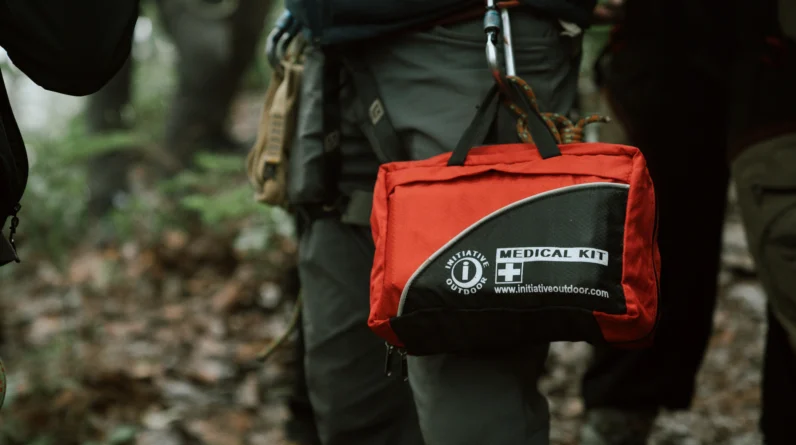
Minor injuries can become serious problems if not treated. A well-stocked first-aid kit is a must.
Essential Medical Supplies
Think about common injuries and how to manage them.
Bandages and Dressings
A variety of sizes of sterile gauze pads, adhesive bandages, and absorbent dressings are crucial for wounds.
Antiseptic Wipes and Ointment
To clean wounds and prevent infection.
Pain Relievers and Anti-inflammatories
Over-the-counter medications like ibuprofen or acetaminophen can help manage pain and fever.
Personal Medications
Crucially, include any prescription medications you or your family members regularly take, along with a copy of the prescription if possible.
Tweezers and Scissors
For removing splinters, debris, and cutting bandages.
Medical Tape
For securing dressings.
Gloves
To protect yourself and the injured person from contamination.
Personal Hygiene
Staying clean helps prevent illness and improves morale.
Hand Sanitizer
When soap and water aren’t available.
Biodegradable Soap
For cleaning yourself and your gear.
Toothbrush and Toothpaste
Basic personal care can make a big difference to your well-being.
Toilet Paper (or alternative)
Compact and essential. Consider packing it in a waterproof bag.
When preparing your bug out bag, it’s essential to consider not only the items you need for survival but also the essentials for outdoor adventures. A great resource for understanding what to pack for your next trip is this informative article on camping essentials. By exploring the tips provided, you can ensure that your bug out bag is well-rounded and equipped for various scenarios. For more insights, check out the article on camping essentials.
Navigation and Communication: Knowing Where You Are and Getting Help
If you need to bug out, you might be heading into unfamiliar territory or trying to reach a specific destination. Being able to navigate and communicate is vital.
Navigation Tools
Don’t rely solely on your phone, as batteries die and signals fail.
Map of Your Area
A physical, waterproof map of your region is a primary tool. Learn how to read it!
Compass
A reliable magnetic compass is essential. Practice using it in conjunction with your map.
GPS Device or Smartphone App (with downloaded maps)
While not a replacement for a map and compass, a GPS device or a smartphone with offline map capabilities can be a valuable supplement. Make sure it’s a rugged model or well-protected.
Communication Devices
Being able to signal for help or contact others is important.
Whistle
A loud whistle can be heard for a considerable distance and is an effective signal for help.
Signal Mirror
Can be used to signal aircraft or distant search parties during daylight.
Two-Way Radios (walkie-talkies)
For short-range communication with others in your group, especially if you get separated. Consider models with a good range and long battery life.
Fully Charged Power Bank and Cables
To keep your electronic devices charged, including your phone and GPS.
Tools and Miscellaneous Items: Versatility and Practicality
These are the items that make your life easier and increase your ability to adapt to unexpected situations.
Essential Tools
Choose items that are multi-functional and durable.
Multi-tool
A good quality multi-tool with pliers, knife, screwdrivers, can opener, etc., is indispensable.
Knife
A sturdy, fixed-blade knife is more robust than a folding knife and can be used for a wider range of tasks, including shelter building and food preparation.
Duct Tape
The universal fix-it solution. Wrap some around a water bottle or credit card to save space.
Zip Ties and Cordage
Beyond paracord, having a variety of zip ties and other strong cords can be incredibly useful for repairs and securing items.
Lighting and Power
Visibility is key, especially at night.
Headlamp or Flashlight
A hands-free headlamp is particularly useful so you can keep your hands free for other tasks. Ensure you have spare batteries!
Extra Batteries
For all your electronic devices. Store them properly to maintain their charge.
Personal Items and Documentation
Don’t forget items that are important for your identity and well-being.
Copies of Important Documents
Identification, insurance papers, emergency contact list, etc. Store them in a waterproof bag.
Cash
Small bills are best for small purchases if you need to buy supplies or services.
Multi-purpose Garment
A sarong or a large bandana can be used as a head covering, scarf, bandage, or to filter water in a pinch.
Morale Boosters
Sometimes, the small things make the biggest difference.
Book or Journal
For mental stimulation and to pass the time.
Comfort Item
A small item that provides comfort, like a photograph or a small toy for a child.
Putting it All Together: Bag Selection and Maintenance
The container for your bug-out gear is as important as the gear itself.
Choosing the Right Bag
Think about capacity, durability, and comfort.
Backpack Type
A sturdy, comfortable backpack (40-65 liters) is usually recommended. Ensure it fits you well and has adjustable straps.
Durability and Weather Resistance
Your bag needs to withstand rough handling and keep your contents dry. Look for waterproof or water-resistant materials.
Packing for Efficiency and Accessibility
How you pack makes a big difference.
Layering and Organization
Pack heavier items closer to your back and higher up. Use stuff sacks for organization and to compress items.
Accessibility
Items you might need quickly (like your first-aid kit or water filter) should be in easily accessible pockets.
Regular Maintenance and Review
A bug-out bag isn’t a “set it and forget it” item.
Check Expiration Dates
Regularly inspect food, water, and medications for expiration dates and replace as needed.
Battery Checks
Test all your electronic devices and replace batteries periodically.
Gear Inspection
Ensure all your tools and equipment are in good working order.
Practice Assembly
Consider once a year actually packing your bag completely and even going for a short practice hike with it. This helps you identify what you might be missing or what’s cumbersome.
Remember, a bug-out bag is a tool for self-reliance. It’s about preparation and being ready, not about fear. The peace of mind it offers is often justification enough for the effort involved.