


We often contemplate our options when it comes to experiencing Michigan’s natural landscapes. Our state parks provide a structured yet accessible avenue for this, offering a diverse range of environments from the shores of the Great Lakes to inland forests. We find ourselves drawn to these managed spaces, not just for their inherent beauty, but for the opportunities they provide for recreation, education, and respite from our daily routines. These parks are not static entities; they evolve, just as our relationship with the natural world evolves. We observe ongoing efforts to maintain and improve these areas, recognizing that their continued viability relies on careful planning and dedicated resources.
Our state park system didn’t materialize overnight; it’s a product of decades of strategic planning and dedicated investment. We recognize that these public lands are a shared heritage, requiring ongoing commitment to ensure their preservation and accessibility for all. The Department of Natural Resources (DNR) plays a pivotal role in this, overseeing the management and future direction of these vital natural assets.
A Legacy of Preservation
We understand that the initial establishment of Michigan’s state parks was driven by a foresight to protect significant natural areas and provide recreational opportunities for our burgeoning population. This foundational vision has guided the system’s expansion and development over the decades. We see the historical context as crucial to appreciating the present state of these parks.
Ongoing Planning and Public Engagement
We actively participate in or observe the processes by which the DNR shapes the future of our state parks. A salient example is the ongoing effort regarding Interlochen State Park. As Michigan’s first state park, it holds a particular significance for us. We note that the DNR is actively seeking public input on its management plan, with an online survey open until February 22, 2026. This period of public engagement, coupled with a planned public meeting in the summer of 2026, demonstrates a commitment to a collaborative approach. Our understanding is that such processes aim to balance resource protection with the provision of recreational opportunities, a delicate but necessary undertaking.
Michigan is home to a diverse array of state parks that offer breathtaking landscapes and outdoor activities for nature enthusiasts. For those interested in learning more about the regulations and guidelines that govern these natural spaces, a related article can provide valuable insights. You can read more about the terms of use for outdoor activities in Michigan state parks by visiting this link: Terms of Use for Michigan State Parks.
Expanding Our Horizons: New Parks and Modernizations
The state park system is not a finished product; it continues to grow and adapt. We have observed significant developments in recent years, including the creation of new parks and substantial investments in existing infrastructure. These initiatives reflect a recognition of increasing demand and the need to maintain relevance in a changing landscape.
A New Addition in Flint
We acknowledge the ongoing development of a new state park in Flint along the Flint River. This 230-acre site, expected to be completed in 2026, marks the 104th state park in Michigan. We understand that this project is supported by a $41 million endowment, which includes federal ARPA funds. The projected features, such as trails, a beach, and non-motorized access, indicate a focus on diverse recreational opportunities within an urban setting. We see this as a strategic effort to bring natural spaces closer to communities that may have historically had limited access.
Investing in Infrastructure and Upgrades
We are aware of the substantial investment made through the Building Michigan Together Plan, which has allocated a total of $273 million since 2022. This funding, partially sourced from ARPA funds, is directed towards repairs, modernizations, and additions across the state park system. We recognize the importance of such investments in maintaining the quality and safety of our parks. For instance, upgrades at Belle Isle Park demonstrate how these funds are being utilized to enhance visitor experiences and address deferred maintenance issues. We understand that an older park system requires continuous financial input to remain viable and welcoming.
Post-Upgrade Planning at Interlochen
We have noted the temporary closure of Interlochen State Park for improvements during the summer of 2024. While the physical upgrades are important, we also recognize that the DNR continues its management planning efforts following these improvements. This indicates a holistic approach where infrastructure overhauls are integrated with long-term strategic plans for the park’s future use and conservation. We understand that a successful park requires not only good facilities but also a clear vision for its sustained operation.
Diverse Landscapes and Recreational Opportunities
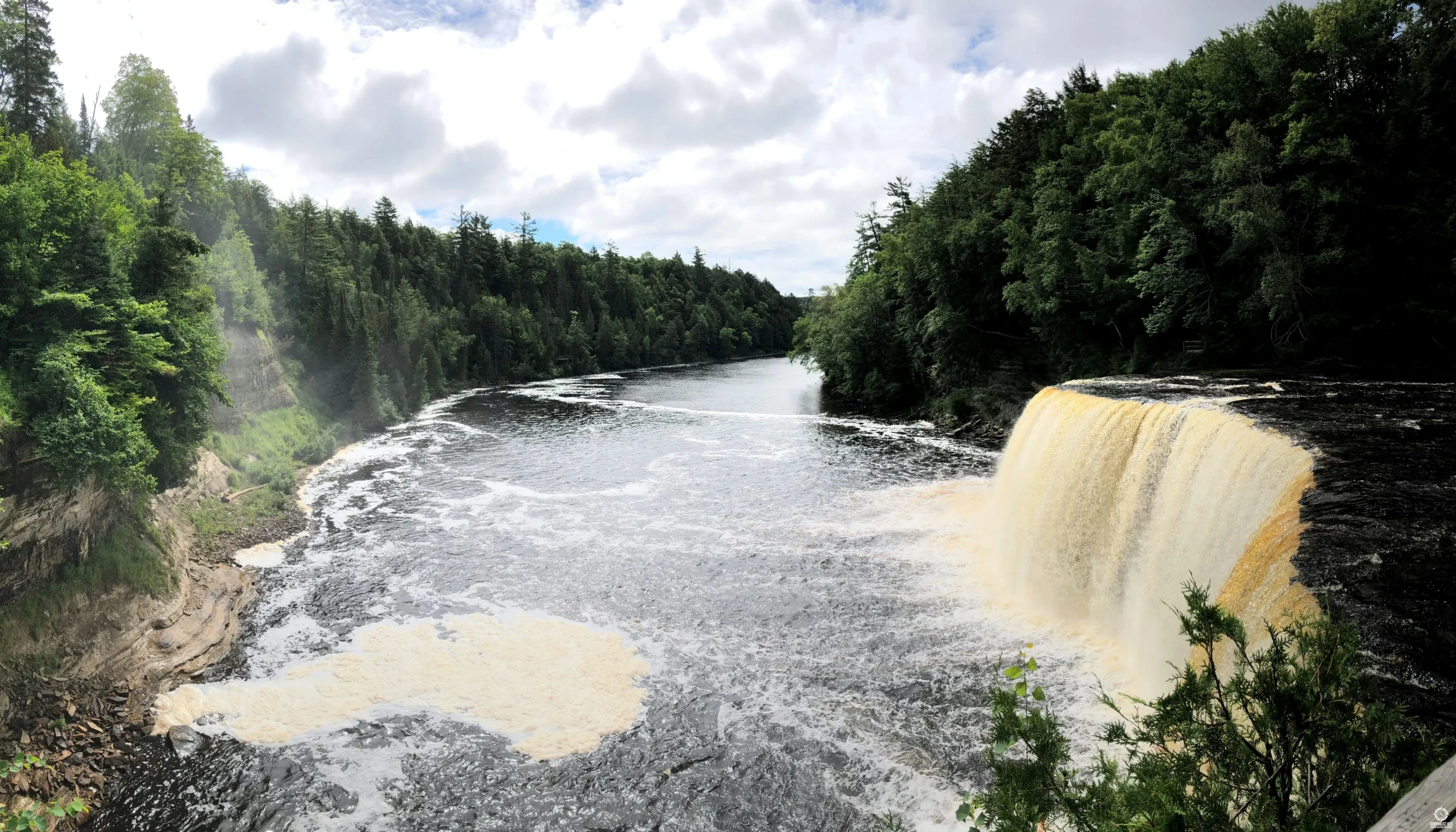
What draws us to Michigan’s state parks is the sheer variety of experiences they offer. From the expansive freshwater coastlines to dense, ancient forests, each park presents a unique ecological profile and corresponding recreational possibilities. We appreciate this geographical diversity, as it allows us to tailor our outdoor pursuits to our current preferences and abilities.
Coastal Escapes
We find ourselves consistently drawn to the coastal state parks, particularly those along the Great Lakes. The expansive sandy beaches, the sound of waves, and the opportunities for swimming, sunbathing, and shoreline exploration provide a distinct experience. We recognize the ecological significance of these dune systems and coastal habitats, observing the efforts made to protect them while still allowing public access. Activities like kayaking, paddleboarding, and fishing are popular here, leveraging the natural aquatic resources.
Inland Forests and Trails
Our preferences also extend to the inland state parks, where we find solace in the forested landscapes. These parks are often characterized by extensive trail networks, suitable for hiking, mountain biking, and in winter, cross-country skiing and snowshoeing. We appreciate the opportunity to immerse ourselves in these calmer, more secluded environments. The varied topography, from rolling hills to quiet valleys, provides a different type of challenge and beauty.
Water-Based Recreation
Beyond the Great Lakes, many state parks feature inland lakes and rivers. We utilize these for activities like canoeing, kayaking, and fishing. The availability of boat launches and designated swimming areas enhances our ability to engage with these aquatic environments. We understand the importance of maintaining water quality and managing aquatic ecosystems within these parks for both recreational and ecological benefit.
Community Engagement and Park Appreciation
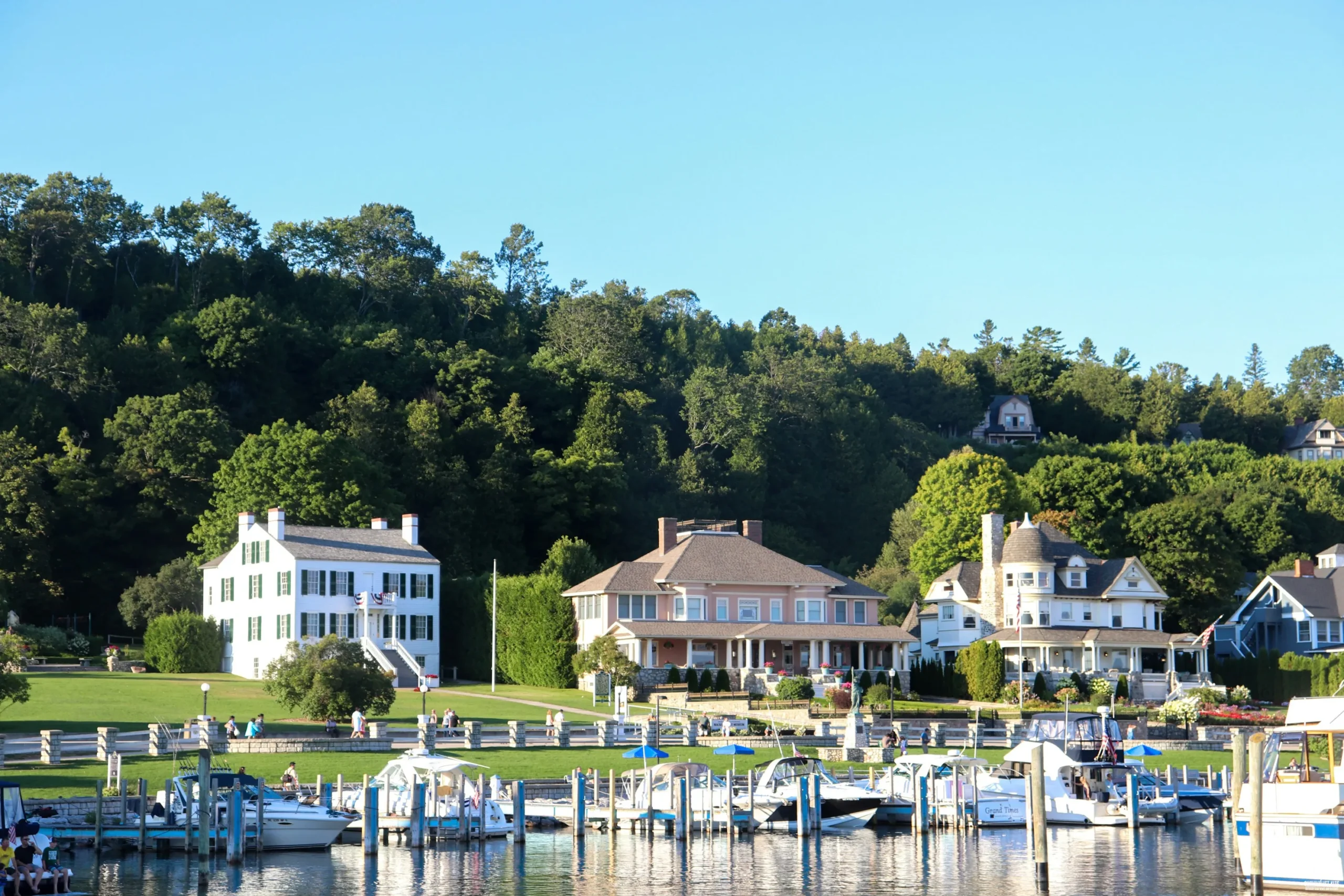
Our interaction with the state park system extends beyond individual visits. We often engage in activities that foster a sense of community and appreciation for these shared resources. This can take various forms, from volunteering to participating in events that highlight the unique character of individual parks.
Voting for Our Favorites
We have observed, and sometimes participated in, initiatives like the “State Park Madness” tournament. This month-long fan-voting bracket showdown, launched in 2026, aims to identify favorite Michigan state parks. While seemingly a lighthearted competition, we recognize that such events can generate awareness, spark discussions about park features, and ultimately encourage greater visitation and appreciation. It provides a means for the public to voice their preferences and engage with the park system in a more interactive way.
Educational Programs and Outreach
We also note the various educational programs offered within the state parks. These programs, often led by park rangers or naturalists, provide insights into local ecology, history, and conservation efforts. We find these to be valuable resources for deepening our understanding and connection to the natural world. From guided nature walks to interpretive displays, these initiatives aim to educate and inspire responsible outdoor recreation.
Michigan’s state parks offer a stunning backdrop for outdoor enthusiasts, providing ample opportunities for hiking, camping, and wildlife observation. For those interested in enhancing their outdoor skills, a related article on mastering essential blood trailing techniques for deer recovery can be particularly beneficial. This resource can help hunters improve their tracking abilities, ensuring a successful outing in the beautiful landscapes of Michigan. To learn more about these techniques, you can read the article here.
Looking Ahead: The Future of Our Parks
| Park Name | Location | Size (acres) | Activities |
|---|---|---|---|
| Tahquamenon Falls State Park | Paradise, MI | 46,179 | Hiking, camping, fishing, snowshoeing |
| Sleeping Bear Dunes National Lakeshore | Empire, MI | 71,199 | Hiking, swimming, scenic driving, wildlife viewing |
| Pictured Rocks National Lakeshore | Munising, MI | 73,236 | Kayaking, hiking, camping, sightseeing |
As we look to the future, we anticipate continued evolution within Michigan’s state park system. The ongoing planning processes, coupled with financial investments, suggest a dynamic rather than static approach to managing these vital natural assets. We understand that challenges will persist, from ensuring sustainable funding to adapting to changing environmental conditions and visitor demands.
Sustainable Management Practices
We expect to see an increasing emphasis on sustainable management practices within the state parks. This includes efforts to minimize environmental impact, conserve natural resources, and promote responsible recreation. We recognize that balancing public access with ecological protection is a continuous process requiring adaptive strategies. The management plans currently being developed, such as the one for Interlochen, are key instruments in this ongoing effort.
Adapting to Changing Visitor Needs
The demographics and preferences of park visitors are not static. We anticipate that the state park system will continue to adapt to these evolving needs. This might involve exploring new recreational offerings, enhancing accessibility, or leveraging technology to improve visitor experiences. The ongoing development of new parks and the modernization of existing facilities are testament to this adaptive approach. We recognize that the parks must remain relevant and appealing to a diverse user base.
The Role of Funding and Advocacy
We are aware that the continued success of our state parks relies heavily on consistent funding and public advocacy. The investments made through initiatives like the Building Michigan Together Plan are crucial, but we understand that ongoing financial support will always be a necessity. Our collective voice in advocating for these parks, whether through public input sessions or supporting legislative measures, is vital in securing their future. We see ourselves as stakeholders in this collective endeavor, understanding that the health of our park system reflects our commitment to preserving natural spaces for current and future generations.
FAQs
What is a state park in Michigan?
A state park in Michigan is a designated area of land set aside by the state government for public recreation and conservation. These parks offer a variety of outdoor activities such as hiking, camping, fishing, and wildlife viewing.
How many state parks are there in Michigan?
Michigan is home to 103 state parks, which are managed by the Michigan Department of Natural Resources. These parks cover a wide range of landscapes, including forests, lakeshores, and dunes, and provide opportunities for outdoor recreation and environmental education.
What are some popular activities at Michigan state parks?
Visitors to Michigan state parks can enjoy a variety of activities, including hiking, biking, swimming, boating, fishing, and wildlife observation. Many parks also offer camping facilities, picnic areas, and interpretive programs for visitors of all ages.
Are there any entrance fees for Michigan state parks?
Yes, there is a vehicle entrance fee for most Michigan state parks. Visitors can purchase a daily pass or an annual pass, which allows access to all state parks and recreation areas in the state. Some parks may also charge additional fees for camping, boat launches, and other amenities.
What are some notable state parks in Michigan?
Some notable state parks in Michigan include Sleeping Bear Dunes National Lakeshore, Pictured Rocks National Lakeshore, Tahquamenon Falls State Park, Porcupine Mountains Wilderness State Park, and Ludington State Park. These parks are known for their natural beauty, recreational opportunities, and cultural significance.