


We often find ourselves looking for opportunities to disconnect, to trade the hum of the city for the rustle of leaves and the crackle of a campfire. Michigan, with its vast natural landscapes, offers precisely this escape. While we might associate the state with its vibrant cities and automotive industry, it’s the quiet allure of its campgrounds that truly calls to us during our ventures into the outdoors. This season, we’ve been actively exploring the diverse camping experiences available across Michigan, from the windswept shores of Lake Superior to the serene inland lakes. Our aim is to offer a practical overview of what we’ve discovered, focusing on the variety and accessibility of these natural havens.
Our exploration began with a broad assessment of the camping infrastructure within the state. We wanted to understand the range of options available to us, the typical amenities we could expect, and the diverse natural environments that camping in Michigan offers. This initial phase involved reviewing publicly available information, consulting with park authorities, and speaking with other campers we encountered on previous trips. We recognized that “beautiful” can be subjective, influenced by personal preferences for terrain, proximity to water, and the level of seclusion desired. Our goal was to present a balanced perspective, acknowledging both the established appeal and the evolving nature of Michigan’s campground offerings.
Defining “Beautiful” in a Camping Context
For us, a beautiful campground transcends mere aesthetic appeal. It encompasses a combination of factors that contribute to a fulfilling outdoor experience. This includes the natural setting – the quality of the forest, the clarity of the water, the presence of wildlife – but also the accessibility of trails for exploration, the availability of basic facilities that don’t detract from the natural environment, and the general sense of peace and quiet. We are not seeking manicured lawns or elaborate entertainment complexes. Our definition leans towards preserving the essence of the natural world, allowing us to immerse ourselves without feeling overly catered to.
The Spectrum of Michigan’s Natural Wonders
Michigan’s geography is surprisingly varied. We’ve experienced the ruggedness of the Upper Peninsula, with its dramatic cliffs and dense forests, and the gentler, rolling landscapes of the Lower Peninsula, dotted with countless lakes and meandering rivers. This diversity translates directly into the camping experience. Whether we prefer the expansive views of a Great Lakes shoreline, the secluded intimacy of a woodland campsite, or the tranquility of a lakeside spot, Michigan offers a suitable location. Identifying these different natural environments is crucial for planning trips that align with our desired level of immersion and activity.
Considerations for Accessibility and Amenities
We understand that not all camping trips are the same, and our needs can vary. Some of us prefer primitive camping, where the focus is solely on nature and self-sufficiency. Others appreciate the convenience of established campgrounds with basic amenities like pit toilets, potable water, and designated fire rings. We’ve been observing how Michigan’s campgrounds cater to this spectrum. In some areas, we’ve found sites offering minimal facilities, designed to be as unobtrusive as possible. In others, we’ve noted more developed campgrounds that still manage to maintain a natural ambiance. Our research also involves understanding the availability of such facilities, especially during peak seasons, and how they impact the overall camping experience.
If you’re planning a camping trip in Michigan, you might also be interested in enhancing your outdoor experience with some fishing. A great resource to check out is an article on trolling for giant blue catfish from a kayak, which offers valuable tips and techniques for catching these impressive fish while enjoying the serene waters of Michigan’s lakes and rivers. You can read more about it here: trolling for giant blue catfish from a kayak. This could be the perfect addition to your camping adventure!
Diverse Camping Styles: From Rustic to Refined
The landscape of camping in Michigan is not monolithic. We’ve encountered a clear evolution, with different approaches to providing shelter and comfort in natural settings. This ranges from traditional tent and RV sites to more developed offerings that cater to a different kind of outdoor enthusiast. Understanding these distinctions helps us choose the most appropriate option for our group’s preferences and the specific goals of a particular trip.
Traditional Campground Experiences: Tents and RVs
Our most frequent camping experiences involve setting up our tents or parking our recreational vehicles at designated sites. This is the bedrock of Michigan camping for many of us. In state parks and national forests, we often find well-maintained sites with features like level ground, fire rings, picnic tables, and proximity to water sources and restrooms. These campgrounds, while offering a degree of convenience, generally aim to preserve the natural character of their surroundings. We’ve learned to appreciate the efficiency of these setups, allowing us to focus on outdoor activities rather than extensive site preparation.
State Parks: The Backbone of Our Adventures
Michigan’s state park system is a significant asset for campers. We’ve found a consistent level of quality across many of these parks, from the Porcupine Mountains Wilderness State Park in the U.P. to parks along the Lake Michigan shoreline. These parks typically offer a range of camping options, from rustic sites accessible only by foot to larger campgrounds equipped for RVs. The accessibility of these parks, coupled with their natural beauty and the availability of amenities like hiking trails, interpretive programs, and visitor centers, makes them a reliable choice for many of our outings.
National Forests: Wilderness Closer to You
The Huron-Manistee, Hiawatha, and Ottawa National Forests provide large expanses of public land that include numerous camping opportunities. These areas often present a more wilderness-oriented experience. While some developed campgrounds exist, we’ve also found dispersed camping options that offer greater seclusion. The focus here tends to be on a more rugged and independent camping style, with fewer amenities but a more profound connection to the natural environment. Navigating the regulations and best practices for dispersed camping is something we’ve found to be essential in these areas.
The Rise of Glamping and Unique Stays
We’ve observed a growing trend in Michigan towards more curated outdoor accommodations, often referred to as “glamping.” This represents a departure from traditional camping and caters to those seeking a more comfortable and sometimes luxurious experience in nature. While not our primary mode of camping, we’ve explored these options to understand the evolving landscape and the different needs they serve.
Upscale Tents and Lodging: The Fields of Michigan Example
The recent expansion at The Fields of Michigan in South Haven, highlighted by Under Canvas, is a notable example of this trend. The addition of a significant number of upscale tents, complete with enhanced design, communal spaces, and dining options, indicates a deliberate effort to provide a different kind of nature retreat. These types of accommodations are clearly targeting a demographic that desires proximity to nature without the inherent challenges of traditional camping. We recognize the appeal of such options for shorter getaways or for those who might be new to outdoor experiences. The operational season, from April 30 to November 1, suggests a focus on warmer months and a structured approach to offering these amenities. We are interested to see how such ventures integrate with the surrounding natural environment in the long term.
Exploring Alternative Accommodations
Beyond the glamping tents, we’ve also encountered other unique lodging options in natural settings, such as yurts, cabins, and even restored vintage trailers. These offerings often find their niche in private campgrounds or on private land. They provide a comfortable base for exploring surrounding natural attractions while offering a distinct lodging experience. For groups with mixed camping aptitudes, these can be a good compromise, allowing some to enjoy rustic elements while others have a more comfortable shelter.
Location, Location, Location: Michigan’s Diverse Camping Regions
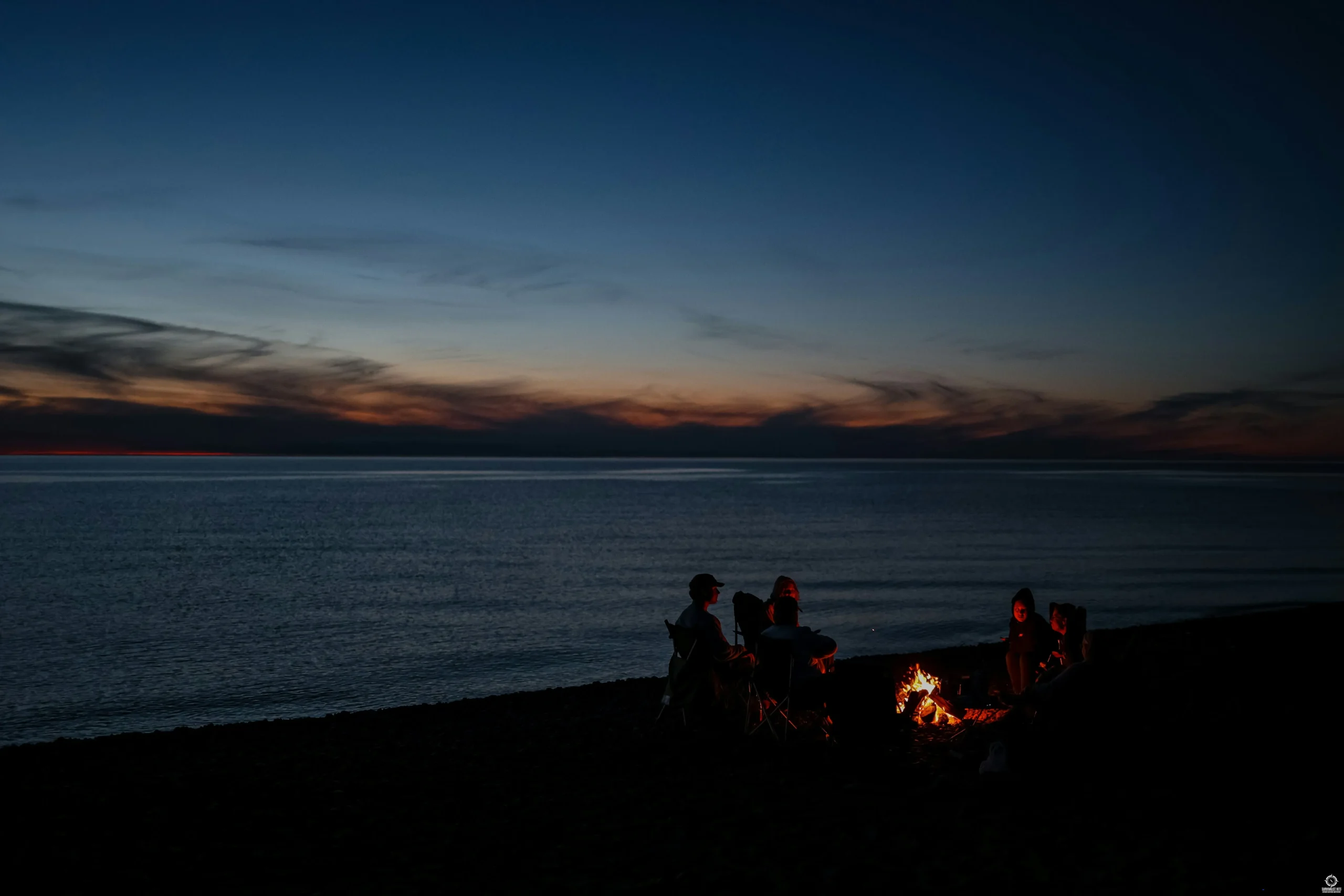
Michigan’s geography is a significant factor in the camping experiences we seek. The state’s distinct regions offer vastly different environments, each with its own unique appeal and set of natural attractions. Our choices are often dictated by the type of scenery we wish to immerse ourselves in.
The Majestic Upper Peninsula: Rugged and Wild
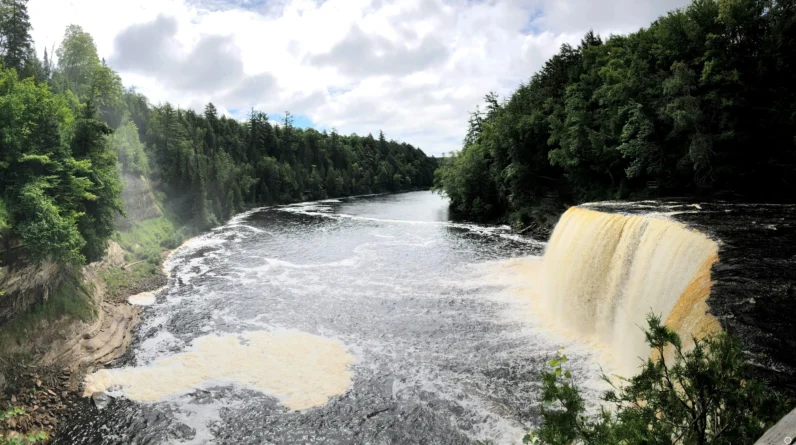
Our trips to the Upper Peninsula have consistently been characterized by a sense of wildness and grandeur. The vast forests, the dramatic coastlines along Lake Superior, and the numerous waterfalls create a landscape that feels untamed. Camping here often means encountering more challenging terrain and a greater reliance on self-sufficiency.
Lake Superior’s North Shore: Views and Isolation
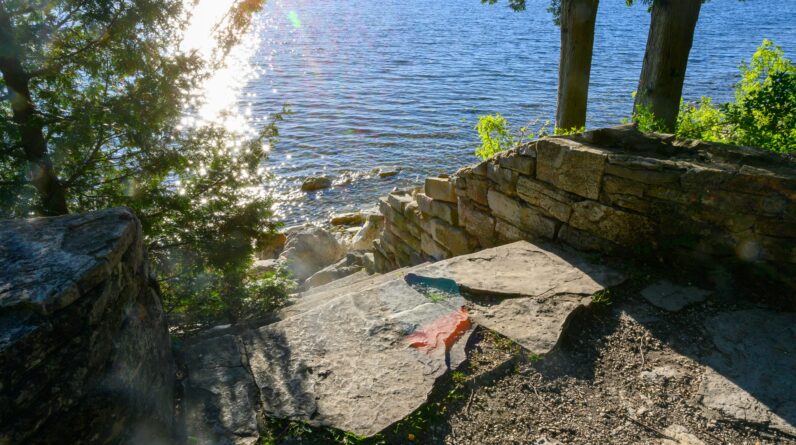
The shoreline of Lake Superior in the U.P. offers some of the most breathtaking and remote camping experiences. We’ve found campgrounds with expansive views of the lake, where the sound of the waves is a constant companion. These are often areas where cell service is limited, contributing to a genuine sense of disconnection. Hiking to remote beaches and exploring sea caves are common activities in these regions. We’ve learned that preparedness is key, as weather can change rapidly on the largest of the Great Lakes.
Inland Lakes and Forests: Serenity and Wildlife
Beyond the Great Lakes, the U.P. is crisscrossed with inland lakes and dense forests. These areas offer a different kind of solitude, often with opportunities for fishing, canoeing, and observing local wildlife. The campgrounds here tend to be smaller and more intimate, nestled amongst the trees. We’ve found these spots to be ideal for quiet contemplation and for observing the rhythms of the forest.
The Lower Peninsula’s Varied Landscapes: Lakes, Dunes, and Forests
The Lower Peninsula presents a broader spectrum of camping environments, from the sandy shores of the Lake Michigan coast to the rolling hills and inland lakes of the interior. This region offers a mix of accessibility and natural beauty.
The Lake Michigan Coastline: Sand Dunes and Breezes
Camping along the Lake Michigan coastline is a popular choice for many, including us. The iconic sand dunes, such as those found at the Sleeping Bear Dunes National Lakeshore, offer unique camping opportunities. We’ve enjoyed the experience of waking up to the sound of the wind and the vast expanse of the lake. The campgrounds here often provide direct access to beaches and trails for dune exploration. We’ve also noted that some areas can become quite busy, especially during the summer months, and advance reservations are often necessary.
Inland Lakes and Rivers: Opportunities for Water Activities
Michigan is renowned for its abundance of inland lakes and rivers, and many campgrounds are situated along their shores. These locations are ideal for those who enjoy water sports like swimming, fishing, boating, and kayaking. We’ve found that campgrounds in these areas often have boat launches and docks, catering to a more active water-based camping experience. The scenery here can range from open, reedy lakes to more intimate, tree-lined rivers.
Forests and Farmlands: A More Pastoral Setting
Inland sections of the Lower Peninsula offer camping in more pastoral settings, characterized by forests, rolling farmlands, and smaller lakes. These areas can provide a quieter alternative to the popular coastal campgrounds. We’ve found these spots to be excellent for birdwatching and for enjoying the tranquility of the countryside. Some private campgrounds also operate in these regions, often offering a more curated experience with amenities like swimming pools.
Navigating Regulations and Ensuring Responsible Camping
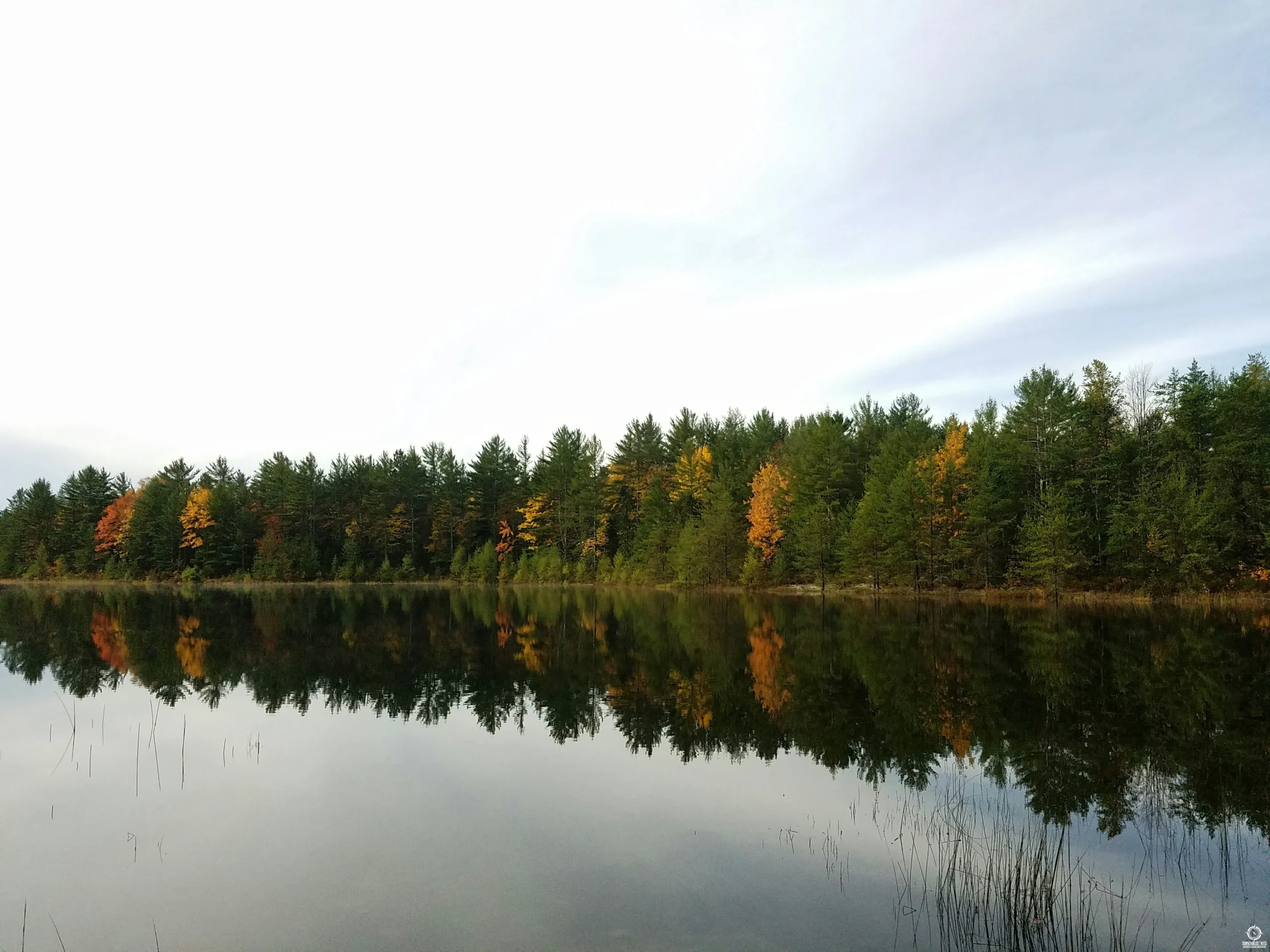
Effective management of Michigan’s natural resources is crucial for preserving their beauty and accessibility for future generations. Our approach to camping involves a commitment to understanding and adhering to local regulations, and we encourage all campers to do the same. This ensures that we can continue to enjoy these pristine environments responsibly.
Understanding Campground Rules and Etiquette
Each campground, whether public or private, has its own set of rules designed to ensure safety, minimize impact, and promote a positive experience for all visitors. We’ve become accustomed to checking for information regarding quiet hours, fire restrictions, pet policies, and waste disposal procedures. Adhering to these guidelines is a fundamental aspect of responsible camping and helps to maintain the peaceful atmosphere that many of us seek.
Fire Safety and Leave No Trace Principles
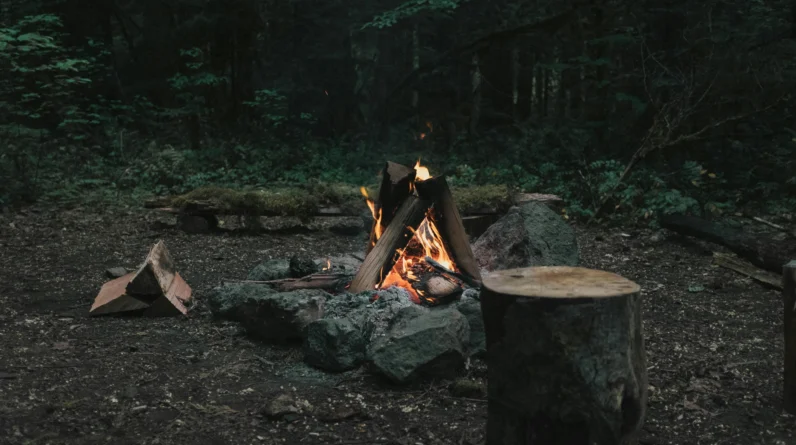
Fire is an integral part of the camping experience for many, but its use must be responsible. We always check for current fire bans and adhere to any restrictions in place. Properly extinguishing campfires is paramount to preventing wildfires. Beyond fire safety, we strongly advocate for the “Leave No Trace” principles. This means packing out everything we pack in, minimizing our impact on the environment, respecting wildlife, and leaving our campsites cleaner than we found them.
Evolving Regulations: The Case for Longer Stays
We’ve become aware of legislative discussions, such as Rep. Rachel Smit’s House Bill 5430, which aims to amend the Health Code to allow for longer campground stays beyond the typical 180-day limit. This proposal is reportedly influenced by ongoing housing shortages, emergencies, or workforce needs, as well as enforcement actions by EGLE from 2024. Our perspective on this is nuanced. While we understand the potential benefits for individuals facing housing challenges, we are also keen to observe how such measures might impact the availability and the overall character of established campgrounds. The argument that it could address a significant housing shortage, estimated at 119,000 units, is a considerable point. However, we also acknowledge the concerns of opponents who suggest it might shift problems rather than provide lasting solutions. Our observation of this legislative push is ongoing, and we will be watching to see its eventual outcome and its practical implications for recreational camping. The balance between providing essential housing solutions and maintaining recreational access is complex.
If you’re planning a camping trip in Michigan, you might find it helpful to explore various outdoor activities available in the region. One exciting option is camping on River Island, where you can enjoy both the serene beauty of nature and the thrill of fishing. For more information on this adventure, check out this insightful article that details the experience and offers tips for a successful trip. You can read more about it here.
Planning Your Michigan Camping Excursion: Essential Tips
| Campground Name | Location | Number of Campsites | Amenities |
|---|---|---|---|
| Sleepy Hollow State Park | Laingsburg | 181 | Hiking trails, fishing, boat launch |
| P.J. Hoffmaster State Park | Norton Shores | 293 | Beach access, dune trails, nature center |
| Porcupine Mountains Wilderness State Park | Ontonagon | 63 | Backcountry camping, hiking, waterfalls |
Our experiences have taught us that thorough planning is key to a successful and enjoyable camping trip in Michigan. From selecting the right campground to packing the appropriate gear, a little preparation goes a long way.
Researching and Booking Your Campsite
The first step in any camping trip is selecting a suitable location. We utilize a variety of resources, including official state and national park websites, camping apps, and online review platforms. For popular destinations or during peak seasons, booking campsites well in advance is often essential. We’ve learned that many campgrounds, particularly those in state parks, allow reservations up to six months in advance. Understanding the different types of sites available (tent-only, RV with hookups, primitive) is also crucial for matching our needs.
Essential Gear and Preparedness
Packing the right gear can significantly enhance our comfort and safety. Beyond the essentials like tents, sleeping bags, and cooking equipment, we consider the specific environment and time of year. This might include rain gear, insect repellent, sunscreen, and appropriate footwear for hiking. We also ensure we have a first-aid kit and know basic emergency procedures. For areas with limited services, carrying extra water and non-perishable food items is a wise precaution.
Activities and Exploration
Michigan’s campgrounds offer a gateway to a multitude of outdoor activities. We often plan our trips around specific interests, such as hiking, fishing, kayaking, or simply enjoying the natural beauty. Researching local trails, fishing regulations, and points of interest near our chosen campground is an important part of our planning process. We also appreciate campgrounds that offer organized activities or interpretive programs, which can enrich our understanding of the local ecology and history.
If you’re planning a camping trip in Michigan, it’s essential to be well-prepared to make the most of your outdoor experience. For beginners, understanding the basics can significantly enhance your adventure. You might find it helpful to read this article on essential camping tips, which covers everything from gear selection to safety precautions. By following these guidelines, you can ensure a memorable and enjoyable time in the beautiful Michigan wilderness. For more information, check out the article essential camping tips for beginners.
Conclusion: An Ongoing Appreciation for Michigan’s Outdoors
Our exploration of Michigan’s beautiful campgrounds is an ongoing endeavor. Each trip reveals new landscapes, new experiences, and a deeper appreciation for the natural resources this state offers. From the rugged shores of the Upper Peninsula to the serene inland lakes of the Lower Peninsula, the opportunities for outdoor recreation are abundant. While the nature of camping evolves, with trends like glamping emerging alongside traditional methods, the core appeal of connecting with nature remains constant. We are committed to continuing our exploration, always with an eye towards responsible stewardship of these beautiful places, and we encourage others to discover the diverse and rewarding camping experiences Michigan has to offer. We look forward to seeing how the legislative landscape regarding campground stays continues to develop and how it ultimately shapes the future of camping in Michigan.
FAQs
What are some popular camping destinations in Michigan?
Some popular camping destinations in Michigan include Sleeping Bear Dunes National Lakeshore, Pictured Rocks National Lakeshore, Porcupine Mountains Wilderness State Park, and Ludington State Park.
What are the best times of year to go camping in Michigan?
The best times of year to go camping in Michigan are typically during the summer months, from June to August, when the weather is warm and the days are longer. Fall can also be a beautiful time to camp in Michigan, with the changing colors of the leaves.
What are some popular activities to do while camping in Michigan?
Popular activities to do while camping in Michigan include hiking, fishing, kayaking, swimming, birdwatching, and wildlife viewing. Many campgrounds also offer amenities such as playgrounds, beaches, and organized activities.
What should I pack for a camping trip in Michigan?
When packing for a camping trip in Michigan, it’s important to bring essentials such as a tent, sleeping bags, cooking supplies, food, water, and appropriate clothing for the weather. Other items to consider packing include insect repellent, sunscreen, a first aid kit, and a map of the area.
Are there any specific rules or regulations for camping in Michigan?
Yes, there are specific rules and regulations for camping in Michigan, including guidelines for campfires, waste disposal, and wildlife interactions. It’s important to familiarize yourself with the rules of the campground or park you are visiting and to follow Leave No Trace principles to minimize your impact on the environment.