


When it comes to emergencies, having the right supplies on hand can genuinely make all the difference. In a nutshell, essential survival supplies are the items that address your most fundamental needs: water, food, shelter, warmth, light, communication, and first aid. Thinking about these categories helps simplify what can feel like an overwhelming task. This isn’t about hoarding or preparing for a zombie apocalypse; it’s about being reasonably ready for common disruptions like power outages, severe weather, or a temporary displacement from your home.
Without a reliable source of clean drinking water, your survival window shrinks dramatically. You can last weeks without food, but only a few days without water. This makes it your absolute top priority. There are a few ways to approach this, from storing it to being able to purify it.
Stored Water
The general recommendation is to store at least one gallon of water per person per day, for a minimum of three days. If you have pets, remember to factor them into this calculation. Store it in sturdy, food-grade containers in a cool, dark place. Rotate your stored water every six months to a year to ensure freshness and to check for any leaks or container degradation. Labeling with the date you stored it can help you keep track.
Water Filtration and Purification
Stored water is great, but what if your emergency lasts longer than a few days, or you’re forced to evacuate? You’ll need a way to make questionable water safe to drink. Filtration removes larger particles and some bacteria, while purification addresses viruses and other microscopic pathogens.
- Portable Filters: These come in various forms, from straw-style filters for individual use to pump filters that can process larger quantities. Look for filters that remove bacteria, protozoa, and cysts. Brands like Sawyer and Lifestraw are popular choices.
- Purification Tablets: Iodine or chlorine dioxide tablets are lightweight and effective at killing most microbes, including viruses. They don’t remove sediment or improve taste, so often they’re best used in conjunction with a physical filter.
- Boiling: This is the oldest and most reliable method for purifying water. A rolling boil for one minute kills most pathogens. The downside is that it requires a heat source and fuel, and it’s time-consuming for large quantities.
For those interested in enhancing their preparedness for outdoor adventures or emergencies, exploring the various options for survival supplies is essential. A related article that delves into the importance of having the right gear is available at Survivalist Kits: Big Tents. This resource provides valuable insights into selecting the best tents for shelter, ensuring you are well-equipped for any situation.
Food: Sustaining Your Energy
While not as immediately critical as water, your body needs fuel to function, especially during stressful times. The goal here isn’t gourmet meals, but calorie-dense, non-perishable options that provide essential nutrients.
Non-Perishable Staples
Focus on foods with a long shelf life that don’t require refrigeration, cooking, or much water to prepare. Think simple and functional.
- Canned Goods: Canned vegetables (corn, green beans), fruits (peaches, pears), meats (tuna, chicken), and soups are excellent. They’re already cooked and can be eaten cold if necessary.
- Dried Foods: Dried fruits, jerky, and nuts are calorie-dense and lightweight. They provide quick energy and can be stored for extended periods.
- Energy Bars/Granola Bars: These are convenient, pre-portioned, and offer a good boost of calories and some nutrients.
- Peanut Butter: High in protein and healthy fats, peanut butter is a great source of sustained energy.
- Crackers/Hardtack: These provide carbohydrates and have a very long shelf life.
- MREs (Meals Ready-to-Eat): While more expensive, MREs are designed for survival situations. They’re complete meals, often with a heating element, and have a shelf life of several years.
Cooking and Preparation
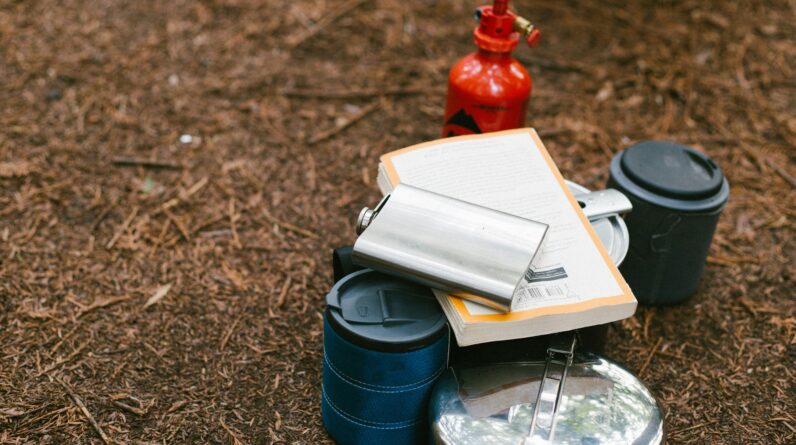
Consider how you’ll prepare these foods. A manual can opener is indispensable for canned goods. A portable camping stove with fuel can allow for warm meals, which can be a significant morale booster. Don’t forget basic cutlery.
Shelter, Warmth, and Comfort

Protecting yourself from the elements is vital. Exposure to extreme cold or heat can quickly lead to serious health issues. Your shelter can be your home, a temporary structure, or even just adequate clothing.
Primary Shelter Options
If you have to evacuate, a tent, tarp, or even just a heavy-duty emergency blanket can offer a barrier against wind and rain. If you’re sheltering in place, ensure your home is as protected as possible, especially windows and doors.
Warmth Management
Staying warm in cold conditions is crucial. Layers of clothing are key: a wicking base layer, an insulating middle layer (fleece, down), and a waterproof/windproof outer shell.
- Sleeping Bags/Emergency Blankets: A good quality sleeping bag appropriate for your climate is essential if you might be sleeping outdoors or in an unheated space. Emergency thermal blankets (foil blankets) are lightweight and reflect body heat, offering temporary warmth.
- Hand/Foot Warmers: Chemical hand and foot warmers can provide hours of warmth and prevent frostbite in cold conditions.
- Heating Source (if safe): A portable propane heater (with proper ventilation), a wood-burning stove, or even just a supply of warm drinks can make a difference. Always prioritize ventilation to avoid carbon monoxide poisoning.
Comfort Items
These might seem secondary, but they play a significant role in maintaining morale during stressful times.
- Pillow/Blanket: A small, compressible pillow or extra blanket can offer a sense of normalcy.
- Books/Games: Something to occupy your mind and distract from the situation.
- Hygiene Items: Toilet paper, wet wipes, hand sanitizer, soap, toothbrushes, toothpaste, feminine hygiene products. Maintaining personal hygiene can prevent illness and contribute to a sense of well-being.
Light, Power, and Communication

When the grid goes down, darkness and isolation can set in quickly. Having independent sources of light, power, and communication is vital.
Illumination
Reliable light sources are necessary for navigation, tasks, and simply to reduce anxiety in the dark.
- Flashlights: At least one for each family member, with extra batteries. Headlamps are particularly useful as they free up your hands.
- Lanterns: Battery-powered or crank lanterns can illuminate a larger area than a flashlight. Propane lanterns emit light and some heat, but require ventilation.
- Chemical Light Sticks: These provide ambient light for several hours, are waterproof, and have a long shelf life. They’re a safe option for children.
- Candles (Use with Caution): While traditional, candles pose a fire risk. If used, keep them in a sturdy holder away from flammable materials and never leave them unattended.
Power for Devices
Most of us rely heavily on electronic devices. Having ways to charge them when the power is out is essential.
- Power Banks: Fully charged power banks can provide several charges for phones and other small electronics.
- Solar Chargers: Portable solar chargers can slowly recharge small devices or power banks, especially useful in prolonged outages.
- Car Charger/Inverter: If your car is operational and it’s safe to run, you can charge devices using your car’s power outlet or an inverter.
- Hand-Crank Chargers: These are slow but provide a reliable way to get a small amount of charge.
Communication Tools
Staying informed and being able to contact others is crucial for safety and coordination.
- Battery-Powered/Crank NOAA Weather Radio: Essential for receiving emergency broadcasts and weather alerts when other communication methods are down.
- Mobile Phones: While reliant on cell towers and power, keep them charged. Use text messages as they often get through when calls can’t. Conserve battery life by turning off Wi-Fi, Bluetooth, and location services.
- Two-Way Radios (Walkie-Talkies): For short-range communication within your group or between neighbors.
- Whistle: A simple but effective signaling device for calling for help or attracting attention.
When planning your next outdoor adventure, it’s essential to have the right gear, and understanding the best camping sites can greatly enhance your experience. For those looking to explore the beautiful landscapes of Michigan, you might find this article on top camping sites particularly helpful. It not only highlights stunning locations but also emphasizes the importance of being prepared with the necessary survival supplies to ensure a safe and enjoyable trip.
First Aid and Health
| Item | Quantity | Weight (lbs) | Cost |
|---|---|---|---|
| Water bottles | 20 | 40 | 30 |
| Canned food | 30 | 45 | 50 |
| First aid kit | 1 | 2 | 20 |
| Flashlight | 2 | 1 | 15 |
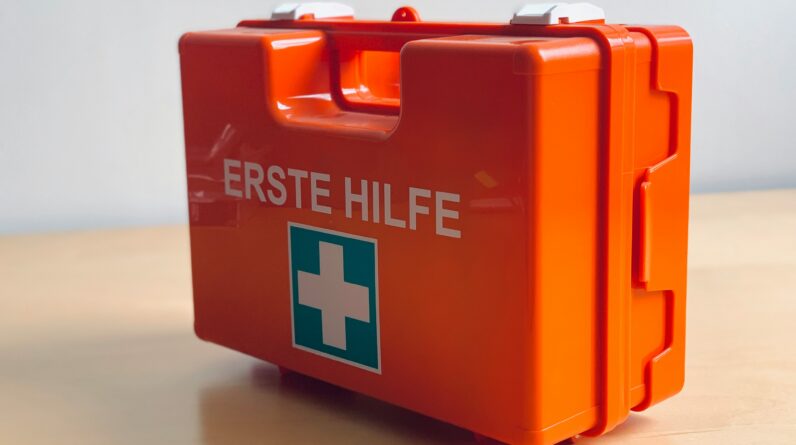
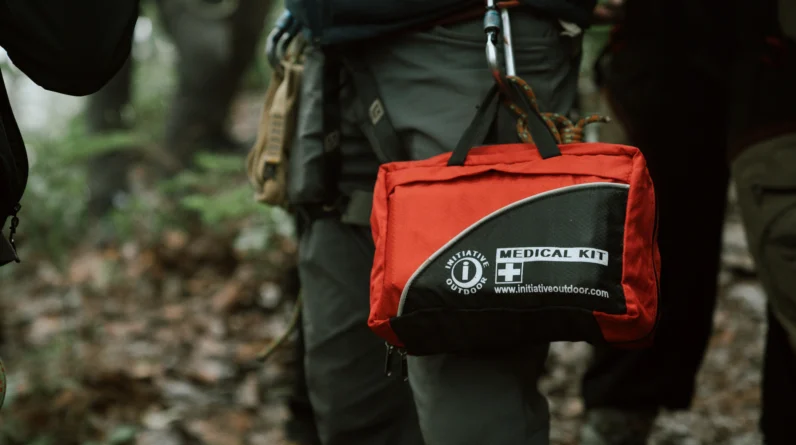
Medical emergencies don’t stop just because a disaster strikes. Having a well-stocked first aid kit and knowing how to use it can be a lifesaver.
Comprehensive First Aid Kit
Don’t just grab a pre-made kit off the shelf without checking its contents. Tailor it to your family’s specific needs and ensure it’s well-organized and easily accessible.
- Bandages: Assorted sizes, sterile gauze pads, adhesive tape.
- Antiseptics: Alcohol wipes, antiseptic solution (e.g., Betadine or hydrogen peroxide), antibiotic ointment.
- Pain Relievers: Ibuprofen, acetaminophen.
- Allergy Medication: Antihistamines.
- Anti-Diarrhea Medication: Loperamide.
- Burn Treatment: Aloe vera gel, sterile burn dressings.
- Scissors and Tweezers: For cutting tape or removing splinters.
- Gloves: Non-latex, disposable gloves for hygiene.
- CPR Face Shield: For administering CPR safely.
- Reference Guide: A basic first aid manual.
Prescription Medications
This is absolutely critical. Store at least a 7-day to a 30-day supply of all essential prescription medications for every family member (and pets!). Discuss with your doctor how best to store these and consider obtaining extra refills if permitted. Don’t forget eyewear, hearing aid batteries, or other personal medical devices.
Personal Hygiene and Sanitation
Maintaining hygiene is central to preventing illness, especially in disaster scenarios.
- Hand Sanitizer: Waterless hand sanitizer for when soap and water aren’t available.
- Wet Wipes: For cleaning hands and body.
- Soap: Bar soap or liquid soap.
- Toilet Paper: Store a good supply.
- Feminine Hygiene Products: Essential for women.
- Diapers/Baby Wipes: If you have infants or toddlers.
- Trash Bags: For waste disposal and sanitation. Heavy-duty bags can also be used to line a bucket for an emergency toilet.
Tools and Miscellaneous Essentials
Beyond the basic needs, a few practical tools and general items can drastically improve your ability to cope.
Essential Tools
These items can help with minor repairs, opening things, or providing basic utility.
- Multi-tool or Utility Knife: Incredibly versatile for various tasks.
- Duct Tape: The ultimate fix-all for a surprising number of problems.
- Pliers and Wrench: For turning off utilities (if safe and necessary) or minor repairs.
- Work Gloves: To protect your hands during cleanup or physical tasks.
- Rope/Paracord: Useful for securing items, creating shelters, or various other needs.
Documents and Cash
In an emergency, access to digital records might be impossible.
- Important Documents: Keep copies of identification (driver’s license, passport), birth certificates, insurance policies, medical records, and deeds/titles in a waterproof, fireproof bag. Consider a USB drive with digital copies.
- Cash: ATMs and credit card machines might not work during power outages. Keep a supply of small bills.
Navigation and Signaling
When communication and power are down, you still need to find your way or signal for help.
- Maps: A physical map of your local area, clearly marking evacuation routes and safe zones.
- Compass: And know how to use it!
- Permanent Marker and Paper: For leaving notes or signaling.
This list isn’t exhaustive, but it covers the core items that you should prioritize. Start small, focusing on the most critical needs, and build up your supplies over time. The goal is preparedness, not panic. Review your kit periodically, replacing expired items and rotating food and water, so you’re always ready, should the unexpected occur.